

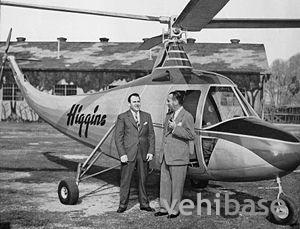
The Higgins EB-1, also known as the Higgins Boat, is a historic American landing craft that played a crucial role in amphibious operations during World War II. It is most famous for its participation in the D-Day landings at Normandy on June 6, 1944. The Higgins Boat was designed for transporting troops and equipment from larger ships to the shores of enemy-held territories.
The Higgins EB-1 was recognized for its design innovations, including a shallow draft, a bow ramp, and a drop-down front section, which allowed troops to quickly disembark onto the beach. Its contributions to the success of D-Day and subsequent amphibious operations earned it the nickname "the boat that won the war."
Key Features
Pros
Cons
Frequently Asked Questions
What was the primary purpose of the Higgins EB-1 (Higgins Boat)?
The Higgins EB-1, also known as the Higgins Boat, was primarily designed for transporting troops and equipment in amphibious operations during World War II.
What were some of the innovative design features of the Higgins Boat?
The Higgins Boat featured a shallow draft, a bow ramp, and a drop-down front section, allowing for rapid troop disembarkation onto beaches during amphibious landings.
Is the Higgins EB-1 still in active military service?
No, the Higgins EB-1 is no longer in active military service and is recognized as a historic landing craft.
What is the significance of the Higgins Boat in military history?
The Higgins Boat played a pivotal role in the success of amphibious operations during World War II, particularly in the D-Day landings, earning it the nickname "the boat that won the war."





Did you know?
The Higgins EB-1 (Higgins Boat) is renowned for its role in the D-Day landings at Normandy, where thousands of troops disembarked onto the beaches of Normandy to liberate Western Europe from Nazi occupation.
Its innovative design features made it a critical asset for the Allied forces, allowing for efficient and rapid troop deployment onto hostile shores.
