

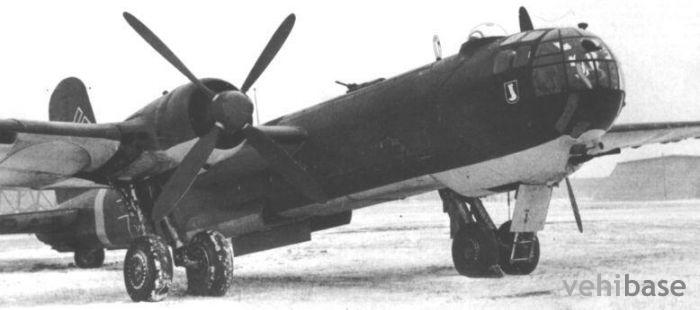
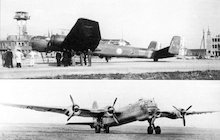
The Heinkel He 177 Greif, also known as the "Griffon," is a German heavy bomber aircraft developed during World War II. It was designed to serve as a long-range heavy bomber capable of carrying significant payloads. The He 177 showcased innovative design with its paired engines and counter-rotating propellers, which aimed to address engine reliability issues. While it faced challenges during its service and production, it played a role in strategic bombing missions on the Eastern Front.
The He 177 holds historical significance as a heavy bomber that contributed to the development of long-range strategic bombing concepts and innovative engine designs. Despite its production challenges and limitations, it remains a symbol of wartime efforts to create advanced heavy bombers.
Key Features
Pros
Cons
Frequently Asked Questions
What were the primary goals of the Heinkel He 177 Greif aircraft?
The primary goal of the Heinkel He 177 Greif was to serve as a long-range heavy bomber for strategic bombing missions.
What is the historical significance of the He 177 Greif in the context of aviation technology?
The He 177 Greif is historically significant as a heavy bomber that contributed to the development of long-range strategic bombing concepts and innovative engine designs.
What challenges did the Heinkel He 177 Greif face during its service?
The He 177 Greif faced production challenges and reliability issues related to its innovative engine design.
Did the Heinkel He 177 Greif play a significant role in strategic bombing missions?
Yes, the Heinkel He 177 Greif played a role in strategic bombing missions on the Eastern Front during World War II.
7 members saved it





Did you know?
The Heinkel He 177 Greif is celebrated for its role as a heavy bomber and its contributions to the development of long-range strategic bombing concepts.
It reflects the wartime efforts to create advanced heavy bombers, even in the face of production challenges and reliability issues.
