

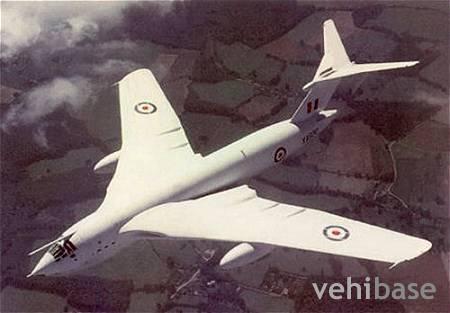
The Handley Page Victor is a historic and iconic British strategic bomber aircraft that served the Royal Air Force (RAF) during the Cold War era. It is celebrated for its distinctive and elegant design, featuring a crescent-shaped wing and a slender fuselage. The Victor was a vital part of the United Kingdom's nuclear deterrent strategy during the Cold War and played a crucial role in strategic bombing missions.
The Victor is renowned for its impressive range and payload capacity. It was designed for high-altitude, high-speed operations, making it capable of carrying a variety of nuclear and conventional weapons. The aircraft's unique aerodynamic design contributed to its exceptional performance. The Victor's role in maintaining national security and its advanced engineering have made it an enduring symbol of British aviation history.
Key Features
Pros
Cons
Frequently Asked Questions
What role did the Handley Page Victor play during the Cold War?
The Handley Page Victor was a key part of the UK's nuclear deterrent strategy and served in strategic bombing missions during the Cold War.
Is the Handley Page Victor still in active military service today?
No, the Handley Page Victor is no longer in active military service but is preserved as a historic aircraft.
What made the Victor stand out in terms of design?
The Victor's crescent-shaped wing and slender fuselage gave it a distinctive and elegant appearance, making it unique in aviation history.
How did the Victor contribute to the UK's national security strategy?
The Victor played a crucial role in the UK's national security by serving as a strategic bomber and a deterrent during the Cold War.
2 members saved it


Did you know?
The Handley Page Victor was part of the RAF's V bomber force, alongside the Avro Vulcan and Vickers Valiant, which collectively provided the UK's nuclear deterrent capability.
It is known for its role in Operation Black Buck during the Falklands War, where it conducted long-range bombing raids on the Falkland Islands.
