

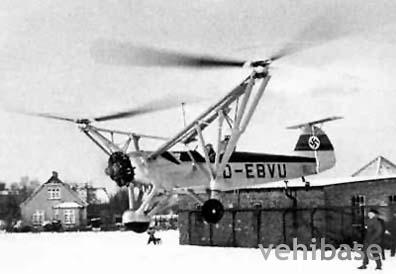
Focke-Wulf Fw 61
The Focke-Wulf Fw 61 is a historic German helicopter developed by Focke-Wulf in the 1930s. It is widely recognized as the world's first practical, fully controllable helicopter. The Fw 61 was a groundbreaking achievement in aviation history, showcasing advancements in rotorcraft technology. It featured twin, counter-rotating rotors and a streamlined design, setting the stage for future developments in helicopter design and engineering.
The Focke-Wulf Fw 61 is an iconic symbol of early rotorcraft innovation.
Key Features
Pros
Cons
Frequently Asked Questions
What is the historical significance of the Focke-Wulf Fw 61?
The Fw 61 is historically significant as the world's first fully controllable helicopter, marking a major milestone in rotorcraft technology and aviation history.
How did the Fw 61 contribute to the development of modern helicopters?
The Fw 61's innovative design and successful flight demonstrated the feasibility of fully controllable rotorcraft, paving the way for future developments in helicopter design and engineering.
Is the Focke-Wulf Fw 61 still in use today?
No, the Fw 61 is no longer in production or operational use. It is preserved for its historical significance and is not flown in contemporary aviation.
Where can I see the Fw 61 today?
The Fw 61 is a rare and historically valuable aircraft. You may find it on display in aviation museums or private collections dedicated to preserving aviation history.

Related helicopters
Fairchild Hiller FH-1100
(3) 6
Fairchild Hiller HJ-1 Hornet
(1) 3
Fairchild Hiller HOE-1 Hornet
(5) 9
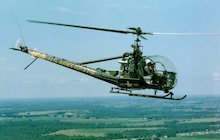
Fairchild Hiller O/UH-23 Raven
(3) 6
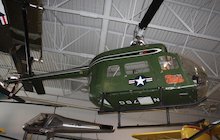
Fairchild Hiller Ten99
(2) 6
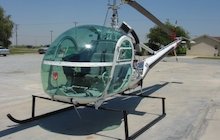
Fairchild Hiller UH-12
(3) 5
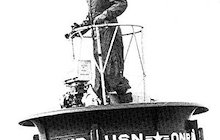
Fairchild Hiller VZ-1 Pawnee
(3) 6
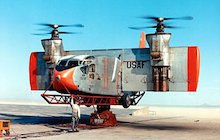
Fairchild Hiller X-18
(5) 7
Fairchild Hiller X-2-235
(5) 5
Fairchild Hiller XH-44
(2) 6
Fairey Gyrodyne
(3) 5
Fairey Jet Gyrodyne
(1) 1
Did you know?
The Focke-Wulf Fw 61's pioneering design laid the foundation for the development of modern helicopters, showcasing the potential of rotary-wing aircraft for various applications.
Its successful flights in the 1930s marked a turning point in aviation, inspiring further innovation in rotorcraft technology and influencing the future of helicopter design.
