


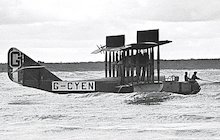
The Felixstowe F.3 is a British flying boat used during World War I for maritime patrol, anti-submarine warfare, and reconnaissance missions. It played a significant role in early naval aviation and contributed to the Allied efforts during the war. The F.3 is known for its capabilities in patrolling coastal waters and countering enemy submarines.
With its flying boat configuration and biplane design, the Felixstowe F.3 was primarily employed for anti-submarine and reconnaissance missions. It typically had a crew of three, including a pilot, observer, and a gunner. The F.3 was instrumental in detecting and attacking enemy submarines, providing essential reconnaissance data, and supporting naval operations. Its historical significance and contributions to early naval aviation make it a notable aircraft of its era.
Key Features
Pros
Cons
Frequently Asked Questions
What were the primary missions of the Felixstowe F.3?
The primary missions of the Felixstowe F.3 included maritime patrol, anti-submarine warfare, and reconnaissance during World War I.
What is the historical significance of the Felixstowe F.3 in aviation history?
The Felixstowe F.3 is historically significant for its role in early naval aviation, anti-submarine warfare, and reconnaissance missions during World War I.
Is the Felixstowe F.3 still in active use with any nations or organizations?
The Felixstowe F.3 is no longer in active military service, and production ceased after World War I.
What is the legacy of the Felixstowe F.3 in the history of naval aviation and maritime warfare?
The F.3 is remembered for its contributions to early naval aviation tactics and technology, particularly in the context of anti-submarine warfare.


Did you know?
The Felixstowe F.3 was one of the early flying boats used in naval aviation and was crucial for patrolling coastal waters and hunting submarines.
It served with the British Royal Naval Air Service during World War I and contributed to the development of flying boat-based maritime warfare tactics.
