

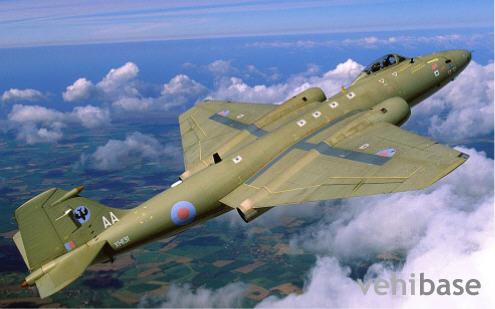
English Electric Canberra
The English Electric Canberra is a British twin-engine jet-powered light bomber and reconnaissance aircraft that played a pivotal role in military aviation during the mid-20th century. It was known for its exceptional performance, adaptability, and longevity in service. The Canberra was used for various roles, including strategic bombing, tactical strike, reconnaissance, and electronic warfare.
Designed with a sleek and aerodynamic shape, the Canberra was capable of high-speed, high-altitude flight, making it difficult for enemy defenses to intercept. It was operated by numerous air forces around the world and remained in service for several decades, demonstrating its enduring value in military aviation.
Key Features
Pros
Cons
Frequently Asked Questions
What were the primary missions of the English Electric Canberra?
The primary missions of the English Electric Canberra included strategic bombing, tactical strike, reconnaissance, and electronic warfare, showcasing its versatility in military roles.
Why was the Canberra known for its high-speed, high-altitude flight capabilities?
The Canberra's sleek and aerodynamic design, along with its powerful jet engines, allowed it to operate at high speeds and altitudes, making it difficult for enemy defenses to intercept.
When was the English Electric Canberra retired from active military service?
The English Electric Canberra was retired from active military service in most air forces, with its operational role gradually phased out as more modern aircraft were introduced.
What is the historical significance of the English Electric Canberra in military aviation?
The English Electric Canberra holds historical significance as an iconic and adaptable aircraft that served in various military roles, demonstrating its performance, adaptability, and longevity in service.


Did you know?
The English Electric Canberra was the first jet-powered aircraft to make a non-stop transatlantic flight, showcasing its capabilities and range.
It remained in service for over five decades, with several variants and roles, and was widely regarded for its contribution to the history of military aviation.
