

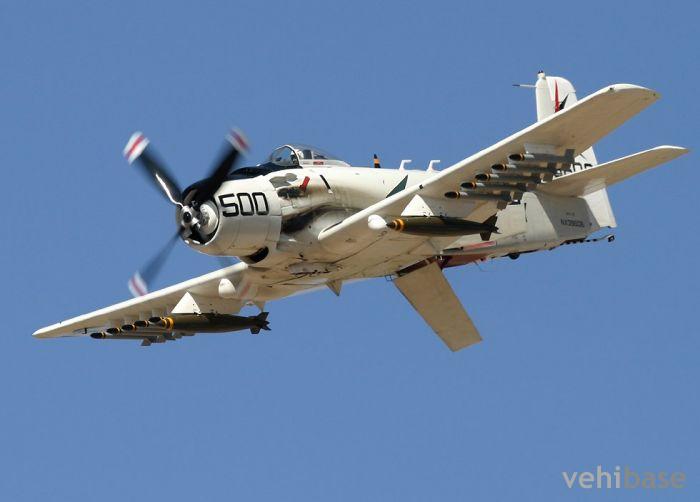
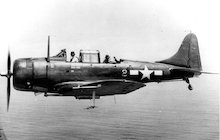
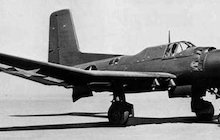
The Douglas A-1 Skyraider, often referred to as the "Spad," was a single-seat attack aircraft used by the United States Navy and the United States Air Force during the mid-20th century. It was designed to serve as a versatile and rugged platform for close air support, ground-attack, and anti-submarine warfare missions.
The A-1 Skyraider was known for its long loiter time and ability to carry a wide range of ordnance, making it highly effective in supporting ground forces and conducting strikes. Despite its retirement from active service, it is remembered as a dependable and effective attack aircraft in the history of military aviation.
Key Features
Pros
Cons
Frequently Asked Questions
What were the primary roles of the Douglas A-1 Skyraider?
The primary roles of the Douglas A-1 Skyraider included close air support, ground-attack missions, and anti-submarine warfare, known for its ruggedness and versatility.
Why is the A-1 Skyraider historically significant?
The A-1 Skyraider holds historical significance for its effectiveness in close air support and its reputation as a dependable and rugged attack aircraft.
Is the Douglas A-1 Skyraider still in active service today?
No, the Douglas A-1 Skyraider was retired from active service as more modern and specialized aircraft took over its roles and responsibilities.
How did the A-1 Skyraider perform in supporting ground forces?
The A-1 Skyraider performed exceptionally well in supporting ground forces due to its rugged design and versatile capabilities, providing effective close air support and ground-attack missions.
3 members saved it

Did you know?
The Douglas A-1 Skyraider was renowned for its ability to carry a wide array of ordnance, including bombs, rockets, and even torpedoes, making it a highly adaptable attack aircraft.
Despite its retirement from active service, some A-1 Skyraiders have been preserved and restored, serving as flying tributes to their historical significance.
