

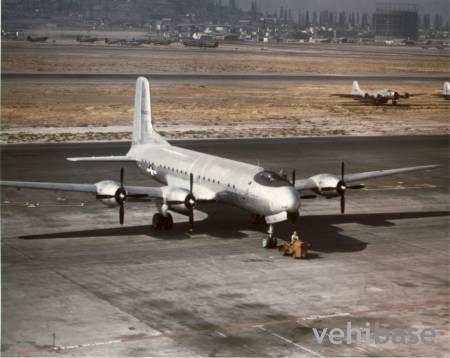
Douglas C-74 Globemaster
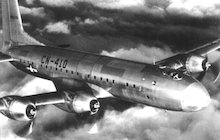
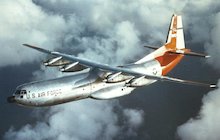
The Douglas C-74 Globemaster is a historical heavy cargo transport aircraft that was developed during World War II for the United States Army Air Forces. It was one of the largest and most capable transport aircraft of its time and played a crucial role in facilitating the transportation of heavy and oversized cargo during the war. The C-74 Globemaster was known for its impressive payload capacity and long-range capabilities.
The Douglas C-74 Globemaster was a pioneering aircraft that significantly enhanced the strategic airlift capabilities of the U.S. military during the war. It demonstrated the importance of large cargo transport aircraft in supporting global operations.
Key Features
Pros
Cons
Frequently Asked Questions
When was the Douglas C-74 Globemaster developed?
The Douglas C-74 Globemaster was developed during World War II to meet the wartime needs of the United States Army Air Forces.
What was the primary role of the C-74 Globemaster during the war?
The primary role of the C-74 Globemaster was the transportation of heavy and oversized cargo, contributing to the logistical support of military operations.
How did the C-74 Globemaster enhance strategic airlift capabilities?
The C-74 Globemaster significantly increased the strategic airlift capabilities of the U.S. military by allowing for the transport of larger and heavier cargo items to various theaters of operation.
How is the C-74 Globemaster remembered in aviation history?
The Douglas C-74 Globemaster is remembered as a vital transport aircraft that played a crucial role in the logistical support of military operations during World War II. It represents an important milestone in the development of cargo transport aircraft.
4 photos

Did you know?
The C-74 Globemaster was one of the largest cargo transport aircraft of its time and demonstrated the feasibility of long-range heavy cargo transport.
Its service during World War II highlighted the importance of dedicated cargo aircraft in supporting global military operations, leading to further developments in the field of strategic airlift.
