

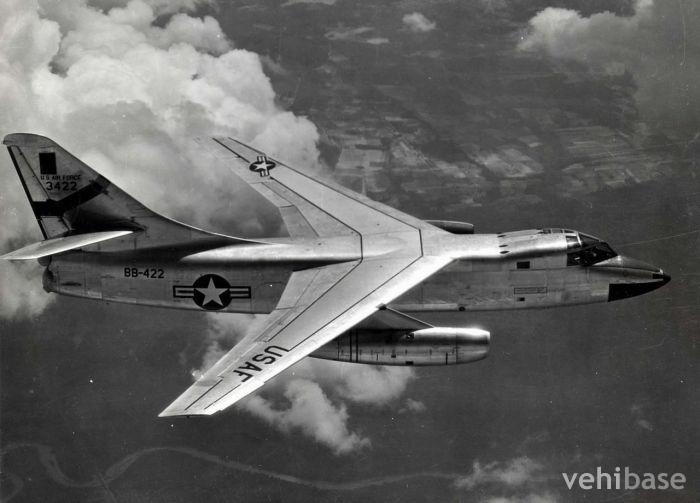
Douglas B-66 Destroyer
The Douglas B-66 Destroyer is a twin-engine tactical bomber and reconnaissance aircraft developed by the American aircraft manufacturer Douglas. It played a crucial role during the Cold War era, primarily in the United States Air Force (USAF), and served as a versatile platform for various missions, including bombing and electronic reconnaissance.
The B-66 Destroyer featured a sleek and streamlined design with a tandem cockpit arrangement for the crew. It was equipped with advanced electronic warfare systems and carried a variety of munitions for its mission profiles. This aircraft contributed significantly to the USAF's capabilities in intelligence gathering, electronic countermeasures, and tactical bombing during its operational years.
Key Features
Pros
Cons
Frequently Asked Questions
What was the primary role of the Douglas B-66 Destroyer?
The primary roles of the Douglas B-66 Destroyer included tactical bombing and reconnaissance missions, primarily during the Cold War era.
How many crew members typically operated the B-66 Destroyer?
The B-66 Destroyer typically had a crew of three: pilot, navigator, and electronic warfare officer.
Is the B-66 Destroyer still in active military service today?
No, the B-66 Destroyer was retired from active military service and is no longer in use by the USAF or other military organizations.
What made the B-66 Destroyer stand out during its operational years?
The B-66 Destroyer was known for its versatility, serving in various roles, including intelligence gathering, electronic countermeasures, and tactical bombing, which made it an essential asset during the Cold War.
3 members saved it
Did you know?
The Douglas B-66 Destroyer was derived from the Douglas A-3 Skywarrior, adapted for different mission profiles during the Cold War.
While no longer in active service, the B-66 Destroyer's legacy in intelligence and electronic warfare continues to influence modern military aircraft design and capabilities.
