

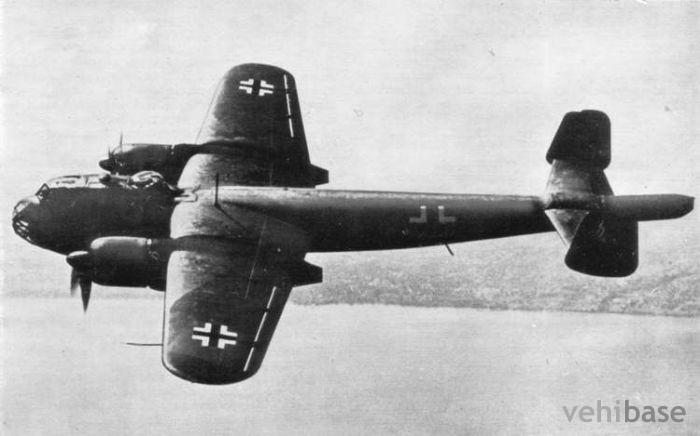
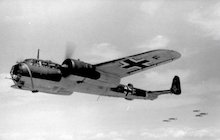
The Dornier Do 217 is a German twin-engine bomber and reconnaissance aircraft that served during World War II. It was developed to meet the needs of the Luftwaffe for an effective medium bomber capable of conducting strategic and tactical bombing missions, as well as reconnaissance. The Do 217 represents a significant chapter in the history of military aviation.
With its twin-engine configuration and monoplane design, the Dornier Do 217 was used for a wide range of missions, including strategic bombing, night bombing, maritime patrol, and aerial reconnaissance. It became one of the key medium bombers in the Luftwaffe's arsenal during World War II. The Do 217 saw operational use in various theaters, including the Eastern Front and the Western Front, and contributed significantly to the Luftwaffe's capabilities. Despite its effectiveness, the Do 217 faced challenges and vulnerabilities in the face of evolving air defenses.
Key Features
Pros
Cons
Frequently Asked Questions
What were the primary missions of the Dornier Do 217?
The primary missions of the Dornier Do 217 included strategic and tactical bombing, night bombing, maritime patrol, and reconnaissance during World War II.
What is the historical significance of the Dornier Do 217 in military aviation?
The Dornier Do 217 is historically significant as one of the key medium bombers in the Luftwaffe's arsenal during World War II, contributing to the capabilities in various bombing and reconnaissance missions.
Is the Dornier Do 217 still in active military service with any nations?
The Dornier Do 217 is no longer in active military service and had its operational history during World War II.
What is the legacy of the Dornier Do 217 in the history of bomber aircraft and reconnaissance aircraft?
The Do 217 serves as a historical example of a versatile and widely used medium bomber and reconnaissance aircraft that faced challenges in the face of evolving air defenses during World War II.

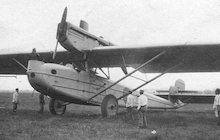
Did you know?
The Dornier Do 217 had several variants, including night fighters, anti-ship bombers, and pathfinders for other bombers.
It played a role in various operations, including the Battle of Stalingrad and the Battle of the Atlantic.
