

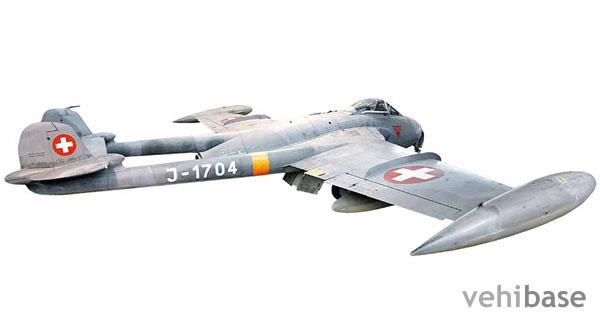
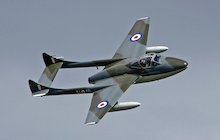
De Havilland Venom
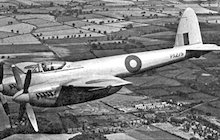
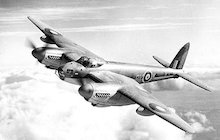
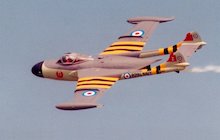
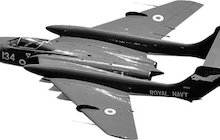
The De Havilland Venom was a British jet fighter aircraft developed in the 1940s and used during the early Cold War era. It was powered by a de Havilland Ghost turbojet engine, allowing it to reach a top speed of approximately 965 kilometers per hour (600 miles per hour). The Venom served as a versatile fighter-bomber and interceptor aircraft for the Royal Air Force (RAF) and other air forces.
The De Havilland Venom was known for its speed and agility, making it a valuable asset during the early Cold War period. It was used for various roles, including air defense, ground attack, and reconnaissance. The Venom's service history spanned multiple air forces and contributed to the evolution of jet fighter technology.
Key Features
Pros
Cons
Frequently Asked Questions
What type of engine powered the De Havilland Venom?
The Venom was powered by a de Havilland Ghost turbojet engine, which provided the necessary thrust for its missions.
Is the De Havilland Venom still in use today?
No, the De Havilland Venom is no longer in active military service and is considered a historical aircraft that played a role during the early Cold War era.
What were the primary roles of the Venom in the Royal Air Force and other air forces?
The Venom served in various roles, including fighter-bomber, interceptor, air defense, and reconnaissance, showcasing its versatility.
How did the Venom contribute to jet fighter technology development?
The De Havilland Venom represented a significant step in the development of jet fighter technology, with its speed, agility, and versatility.
4 members saved it
Did you know?
The De Havilland Venom was a versatile jet fighter aircraft that served multiple air forces and contributed to various mission types.
While it is no longer in service, the Venom's legacy endures as a symbol of the early Cold War era and the development of jet fighter technology.
