

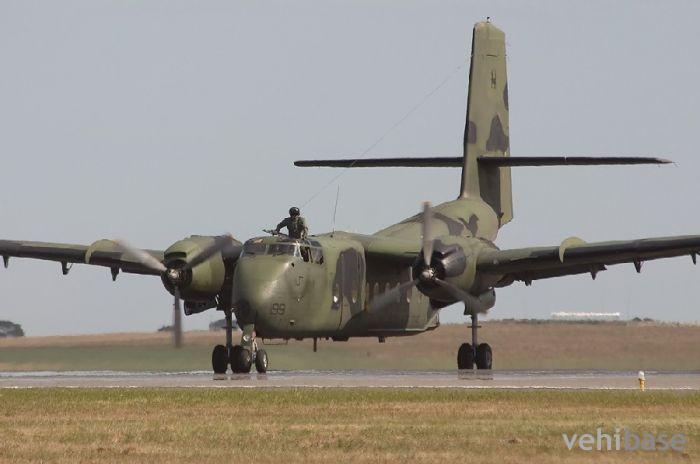
De Havilland DHC-4 Caribou
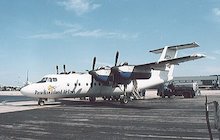
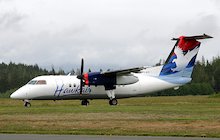
The De Havilland DHC-4 Caribou is a remarkable and versatile twin-engine utility aircraft that left a significant impact on military and civilian aviation. Manufactured by De Havilland Canada, this STOL (Short Takeoff and Landing) aircraft gained recognition for its ability to operate from challenging terrain, making it a valuable asset for various missions. It served both military and civilian roles, including transport, cargo, and medical evacuation.
The De Havilland DHC-4 Caribou represents a unique era in aviation, known for its exceptional STOL capabilities and adaptability. Its legacy endures as a testament to the aircraft's reliability and its impact on aviation in challenging environments.
Key Features
Pros
Cons
Frequently Asked Questions
What was the primary use of the De Havilland DHC-4 Caribou?
The De Havilland DHC-4 Caribou was primarily used for military and civilian missions, including transport, cargo, and medical evacuation, often in challenging terrains.
What is the historical significance of the De Havilland DHC-4 Caribou?
It holds historical significance for its ability to operate from challenging terrains, making it a valuable asset for demanding missions.
Is the De Havilland DHC-4 Caribou still in active service?
No, the aircraft is no longer in active military service in most countries, but it played a vital role in various missions.
How did the De Havilland DHC-4 Caribou contribute to aviation history?
It contributed to the adaptability of aviation in challenging environments, particularly for military and humanitarian missions, known for its STOL capabilities and reliability.
3 members saved it
Did you know?
The De Havilland DHC-4 Caribou is a versatile twin-engine utility aircraft known for its ability to operate from challenging terrains, making it valuable for military and civilian missions.
Its legacy stands as a reminder of its historical importance and its impact on aviation in demanding and remote environments.
