

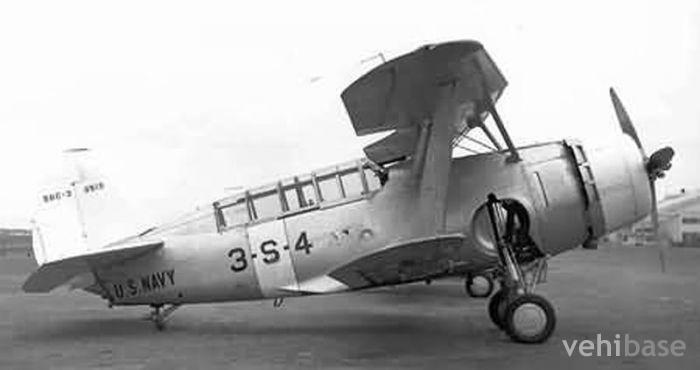
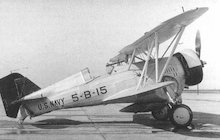
The Curtiss SBC (Scout Bomber Curtiss) is an American scout and dive-bomber aircraft developed during the 1930s. It was designed for both scouting and bombing roles and served as a naval aircraft primarily for the United States Navy and Marine Corps. The SBC played a crucial role in reconnaissance and dive-bombing missions during its service and showcased innovative design for its time.
The SBC holds historical significance as a versatile naval scout and dive-bomber, contributing to reconnaissance and naval operations. While no longer in active service, it remains a symbol of the importance of versatile aircraft in naval aviation and their role in early military aviation.
Key Features
Pros
Cons
Frequently Asked Questions
What were the primary roles of the Curtiss SBC aircraft?
The primary roles of the Curtiss SBC included scouting and dive-bombing, serving as a versatile naval scout and dive-bomber during the 1930s.
What is the historical significance of the SBC in the context of naval aviation?
The SBC is historically significant for its versatility as a naval scout and dive-bomber, contributing to reconnaissance and naval operations during the 1930s.
Is the Curtiss SBC still in active service today?
No, the Curtiss SBC is an obsolete design by modern aviation standards and is no longer in active service.
What innovations did the SBC introduce in naval aviation technology?
The SBC introduced innovative design features for its time, showcasing advancements in naval aviation technology and the versatility of naval aircraft.
Related planes





Did you know?
The Curtiss SBC is celebrated for its versatility in scouting and dive-bombing roles and its contributions to reconnaissance and naval operations during the 1930s.
It reflects the historical importance of versatile aircraft in naval aviation and their role in early military aviation.
