

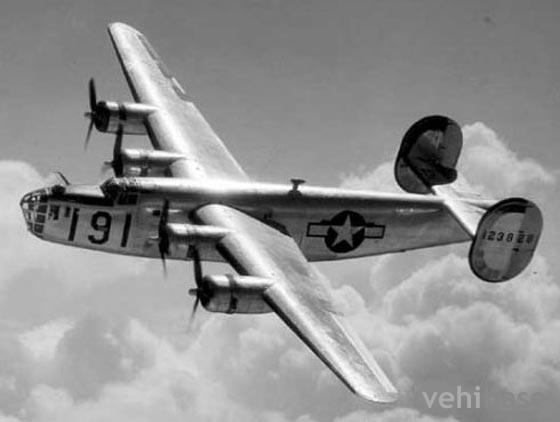
Consolidated B-24 Liberator
The Consolidated B-24 Liberator is a four-engine heavy bomber that was prominently used by Allied forces during World War II. It is known for its long-range capabilities, high payload capacity, and the crucial role it played in strategic bombing campaigns. The B-24 Liberator is celebrated for its contributions to the air war in Europe and the Pacific during the war.
The B-24 Liberator was a workhorse of the Allied air forces, known for its ability to carry heavy bomb loads over extended distances. It was used in precision bombing raids, anti-submarine warfare, and other missions that helped shape the outcome of World War II. Despite its eventual retirement from active service, the B-24 Liberator remains an iconic symbol of the war's aerial campaigns.
Key Features
Pros
Cons
Frequently Asked Questions
What are the key features of the Consolidated B-24 Liberator?
The Consolidated B-24 Liberator is a four-engine heavy bomber known for its long-range capabilities, high payload capacity, and historical significance in World War II.
In which theaters of World War II was the B-24 Liberator primarily used?
The B-24 Liberator was primarily used in both European and Pacific theaters of World War II, contributing to strategic bombing campaigns.
What makes the B-24 Liberator significant in military aviation history?
The B-24 Liberator is significant for its historical contributions to the air war in Europe and the Pacific, its long-range capabilities, and its role in precision bombing and anti-submarine warfare.
What types of missions did the Consolidated B-24 Liberator typically perform?
The B-24 Liberator performed a variety of missions, including precision bombing raids, anti-submarine warfare, and other strategic bombing campaigns.
4 members saved it



Did you know?
The B-24 Liberator was known for its ability to carry heavy bomb loads, making it a key asset in precision bombing campaigns against Axis targets.
One of the most famous B-24 Liberators is the "Lady Be Good," which became known for its mysterious disappearance in the North African desert during World War II.
