

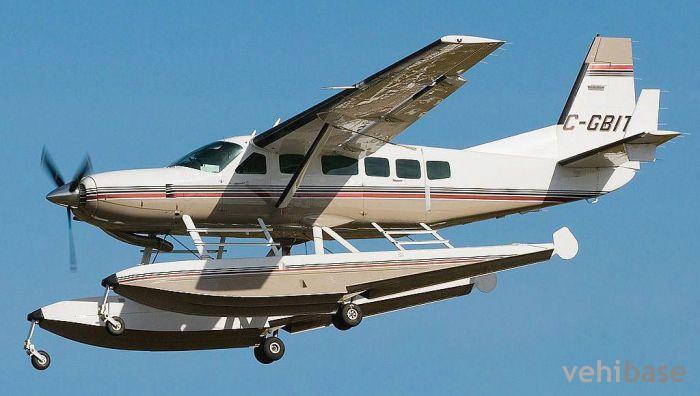
The Cessna Caravan Amphibian is a versatile amphibious aircraft that combines the capabilities of both land and water-based transportation. It is powered by a robust engine, delivering dependable performance both in the air and on water. With a top speed of approximately 185 miles per hour, the Cessna Caravan Amphibian is known for its versatility and adaptability.
The aircraft's design allows it to seamlessly transition between land and water operations, making it suitable for a variety of missions, including transport, cargo delivery, and sightseeing tours. The Cessna Caravan Amphibian features a modern cockpit with advanced avionics and safety systems, ensuring a comfortable and secure flying experience for both passengers and crew.
Key Features
Pros
Cons
Frequently Asked Questions
What is the top speed of the Cessna Caravan Amphibian?
The Cessna Caravan Amphibian has a top speed of approximately 185 miles per hour.
Is the Cessna Caravan Amphibian suitable for cargo transport?
Yes, the Cessna Caravan Amphibian is often used for cargo transport thanks to its versatile design, allowing it to access both land and water destinations.
Are there passenger versions of the Cessna Caravan Amphibian?
Yes, there are passenger configurations of the Cessna Caravan Amphibian for sightseeing tours and regional transport.
What are the maintenance requirements for an amphibious aircraft like the Cessna Caravan Amphibian?
Maintenance for amphibious aircraft includes regular checks on the water landing gear, corrosion prevention, and specialized care for amphibious systems.
4 members saved it
Related planes

Cessna Caravan 208
(1) 3
Cessna Caravan 675
(6) 9

Cessna Caravan Super Cargomaster
(2) 3

Cessna Citation Bravo
2
Cessna Citation CJ1
(2) 5

Cessna Citation CJ2
(3) 7

Cessna Citation CJ3
(2) 4
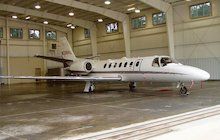
Cessna Citation Encore
(1) 3
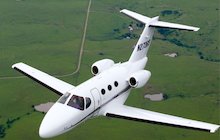
Cessna Citation Mustang
(3) 5

Cessna Citation Sovereign
(4) 5

Cessna Citation X
(6) 6
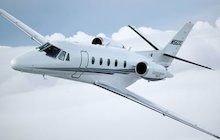
Cessna Citation XLS
(4) 7
Did you know?
The Cessna Caravan Amphibian is a favorite choice for operators serving remote areas with limited infrastructure, as it can access remote lakes and airstrips.
It combines the flexibility of amphibious operations with the convenience of a turbine engine.
