

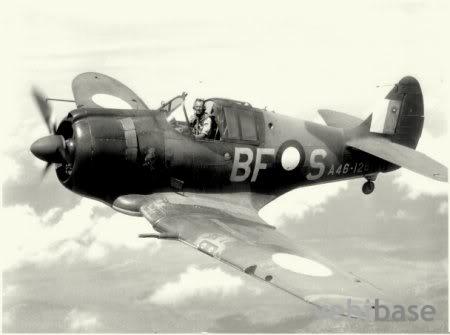
CAC Boomerang
The CAC Boomerang is a historic Australian fighter aircraft that served during World War II. It was developed by the Commonwealth Aircraft Corporation (CAC) and played a significant role in the defense of Australia and the South West Pacific region.
Equipped with a piston engine, the Boomerang was designed primarily for air defense and ground-attack missions. It was a domestically produced aircraft intended to address Australia's need for combat aircraft during the war. The Boomerang's ruggedness and adaptability made it a valuable asset in the Pacific theater, despite its relatively limited production numbers.
Key Features
Pros
Cons
Frequently Asked Questions
What were the primary missions of the CAC Boomerang during World War II?
The primary missions of the CAC Boomerang included air defense and ground-attack missions, particularly in the defense of Australia and the South West Pacific region.
Why is the CAC Boomerang significant in the history of military aviation?
The CAC Boomerang is significant for its role in providing Australia with domestically produced combat aircraft during World War II and for its contributions to the defense of the region.
Is the CAC Boomerang still in active service with any air force?
No, the CAC Boomerang is no longer in active service, and available units are primarily for historical and museum purposes.
What are some of the characteristics that made the CAC Boomerang a valuable asset in combat?
The Boomerang was known for its ruggedness and adaptability, which allowed it to be effective in air defense and ground-attack missions during World War II.
1 member saved it


Did you know?
The CAC Boomerang was Australia's answer to the need for domestically produced combat aircraft during World War II.
It contributed to the defense of Australia and the South West Pacific region during the war and showcased the capabilities of Australian aviation industry.
