

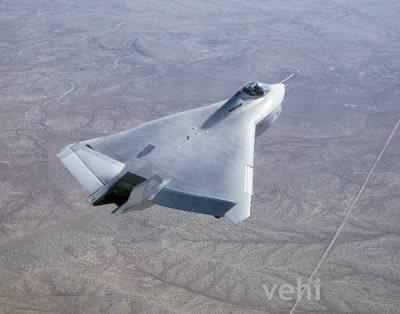
Boeing X-32
The Boeing X-32 is an experimental aircraft developed for the Joint Strike Fighter (JSF) program in the early 2000s. It was part of a competition with the Lockheed Martin X-35 to determine the next-generation multirole fighter for the U.S. military. The X-32 was designed for vertical takeoff and landing (VTOL) and short takeoff and landing (STOL) capabilities, showcasing its versatility and advanced technology.
The Boeing X-32 played a significant role in the JSF competition and demonstrated innovative features, such as its delta-wing design and advanced flight control systems. While the X-35 was ultimately selected for production and became the F-35 Lightning II, the X-32 remains an important part of aviation history and a testament to the pursuit of cutting-edge military aircraft technology.
Key Features
Pros
Cons
Frequently Asked Questions
What was the purpose of the Boeing X-32?
The Boeing X-32 was developed for the Joint Strike Fighter (JSF) program to compete for the next-generation multirole fighter for the U.S. military.
What were the key features of the X-32?
The X-32 featured vertical takeoff and landing (VTOL) and short takeoff and landing (STOL) capabilities, as well as innovative delta-wing design and advanced flight control systems.
Why was the Boeing X-35 chosen over the X-32?
The Lockheed Martin X-35 was selected for production as the F-35 Lightning II due to its performance and capabilities in the JSF competition.
How is the X-32 remembered in aviation history?
The Boeing X-32 is remembered as a crucial participant in the development of advanced military aircraft technology and its role in the JSF program.
4 members saved it








Did you know?
The Boeing X-32 was part of a high-stakes competition for the next-generation multirole fighter, ultimately leading to the development of the F-35 Lightning II.
While not selected for production, the X-32 remains a testament to the pursuit of cutting-edge military aircraft technology and the spirit of innovation in aviation.
