


Airco DH.2
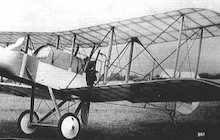
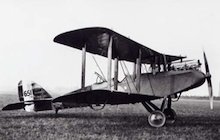
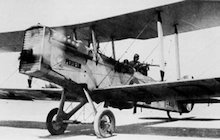
The Airco DH.2 is a historic British pusher biplane fighter aircraft that served during World War I. It was developed by the British aircraft company Aircraft Manufacturing Company (Airco) and played a significant role in the early years of military aviation in the United Kingdom.
Equipped with a piston engine, the DH.2 was designed as a single-seat fighter aircraft. It was known for its innovative pusher configuration, with the engine and propeller located at the rear of the aircraft. The DH.2 was used by the Royal Flying Corps (RFC) and Royal Naval Air Service (RNAS) and contributed to the development of early fighter aircraft technology during World War I.
Key Features
Pros
Cons
Frequently Asked Questions
What were the primary missions of the Airco DH.2 during World War I?
The primary missions of the Airco DH.2 included air combat and aerial reconnaissance during World War I.
Why is the Airco DH.2 significant in the history of military aviation?
The Airco DH.2 is significant for its innovative pusher configuration and its contributions to early fighter aircraft technology during World War I.
Is the Airco DH.2 still in active service with any air force?
No, the Airco DH.2 is no longer in active service, and available units are primarily for historical and museum purposes.
What advantages did the pusher configuration of the Airco DH.2 provide to the pilot?
The pusher configuration of the DH.2 provided clear forward visibility for the pilot, which was an advantage in air combat.
2 members saved it
Did you know?
The Airco DH.2's innovative pusher configuration was designed to give the pilot a clear field of vision, which was advantageous in dogfights.
It was one of the early attempts to create a purpose-built fighter aircraft and was used during a critical period in the development of military aviation.
