

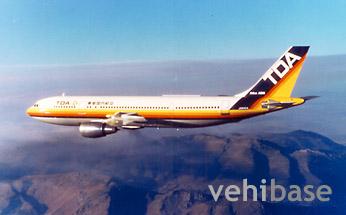
Airbus A300-B2
The Airbus A300-B2 is a wide-body, twin-aisle commercial aircraft known for its innovative design and role as Airbus' first twin-aisle aircraft. It was a significant milestone in the aviation industry, introducing the concept of twin-aisle aircraft for passengers. With two powerful engines, it provided airlines with a more efficient and spacious option for medium to long-haul flights.
The Airbus A300-B2 featured a comfortable and roomy cabin interior, providing passengers with a pleasant travel experience. While newer models have since taken its place, the A300-B2 remains a symbol of aviation history and the foundation of Airbus' wide-body aircraft line.
Key Features
Pros
Cons
Frequently Asked Questions
When was the Airbus A300-B2 first introduced?
The Airbus A300-B2 was first introduced in the 1970s, marking a significant milestone in the aviation industry as Airbus' first twin-aisle aircraft.
How many passengers could the Airbus A300-B2 accommodate?
The seating capacity of the Airbus A300-B2 varied based on the specific cabin configuration, but it typically accommodated between 250 and 300 passengers.
What is the current status of the Airbus A300-B2?
The Airbus A300-B2 is no longer in production or service, as newer and more advanced wide-body aircraft have taken its place. However, it remains a historically significant aircraft in the world of aviation.
How did the Airbus A300-B2 contribute to Airbus' success?
The Airbus A300-B2 played a crucial role in establishing Airbus as a major player in the commercial aircraft industry. It introduced innovative concepts that laid the foundation for Airbus' success in the wide-body aircraft market.




Did you know?
The Airbus A300-B2 was a pioneering aircraft that introduced the concept of twin-aisle, wide-body comfort to passengers, setting a new standard for long-haul travel.
It marked the beginning of Airbus' journey as a significant player in the commercial aviation industry, contributing to the company's growth and success in subsequent decades.
