

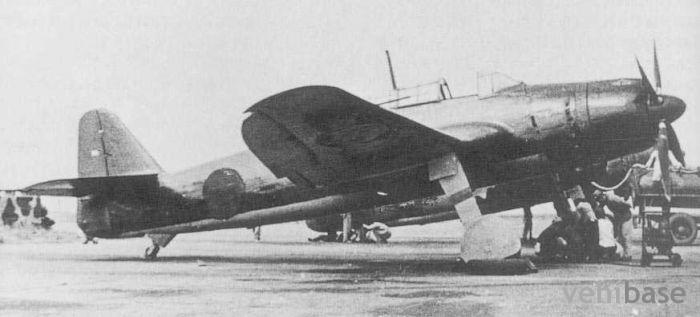
The Aichi B7A, also known as the Ryusei (Shooting Star), is a Japanese carrier-based torpedo bomber and dive bomber aircraft that was used during World War II. It was designed by the Aichi Corporation and played a significant role in the Imperial Japanese Navy's naval aviation. The B7A was known for its versatility, capable of both torpedo and dive bombing missions.
Featuring a single-engine design and a crew of two, the Aichi B7A was used by the Imperial Japanese Navy during its service. It saw action in various Pacific theater battles and was designed to replace earlier torpedo bombers like the Nakajima B6N. The B7A is no longer in active military service but is remembered for its role in Japanese naval aviation history.
Key Features
Pros
Cons
Frequently Asked Questions
What were the primary roles of the Aichi B7A aircraft during its service?
The Aichi B7A primarily served as a carrier-based torpedo bomber and dive bomber for the Imperial Japanese Navy during World War II.
Is the Aichi B7A still in active service today?
No, the Aichi B7A is no longer in active military service. It was retired after World War II, and more modern naval aircraft have replaced it.
Did the B7A see action in notable battles during World War II?
Yes, the Aichi B7A played a significant role in various Pacific theater battles during World War II.
3 members saved it

Did you know?
The Aichi B7A was a versatile carrier-based bomber that could perform both torpedo and dive bombing missions, enhancing its contribution to Japanese naval operations.
It was designed to replace earlier torpedo bombers and played a role in various Pacific theater battles during World War II.
