

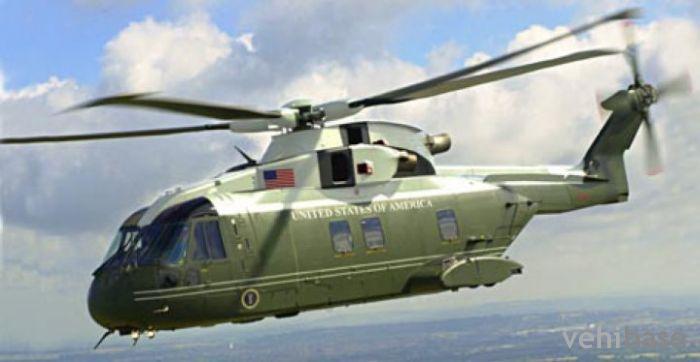
The Agusta VH-71, also known as the Lockheed Martin VH-71 Kestrel, is a historic presidential transport helicopter designed for the United States Marine Corps. It was intended to serve as the next-generation presidential helicopter for the President of the United States. The VH-71 Kestrel aimed to provide advanced security, communication, and transportation capabilities for the Commander-in-Chief.
While the VH-71 program faced various challenges and cost overruns, it represents an important chapter in the history of presidential helicopter development. It showcased efforts to provide the President with a state-of-the-art transport helicopter that met the highest standards of security and communication.
Key Features
Pros
Cons
Frequently Asked Questions
What was the primary purpose of the Agusta VH-71 (VH-71 Kestrel) helicopter?
The primary purpose of the VH-71 Kestrel was to serve as the next-generation presidential helicopter, providing advanced security and communication capabilities for the President of the United States.
Why is the VH-71 historically significant?
The VH-71 is historically significant as it represents efforts to enhance the security and transportation capabilities of the President and maintain the highest standards in presidential helicopter development.
Did the VH-71 Kestrel enter service as the presidential helicopter?
No, despite its advanced features and development, the VH-71 Kestrel did not enter service as the presidential helicopter due to challenges and cost overruns in the program.
What were some of the key features and capabilities of the VH-71?
The VH-71 was designed with advanced security and communication capabilities to meet the specific needs of presidential transportation, including secure communication systems and protective measures.
3 members saved it






Did you know?
The VH-71 program faced significant scrutiny and criticism for its cost overruns and delays, which ultimately led to its cancellation.
While the VH-71 Kestrel did not serve as the presidential helicopter, it highlighted the importance of continuously improving and modernizing presidential transportation for the safety and security of the President.
