

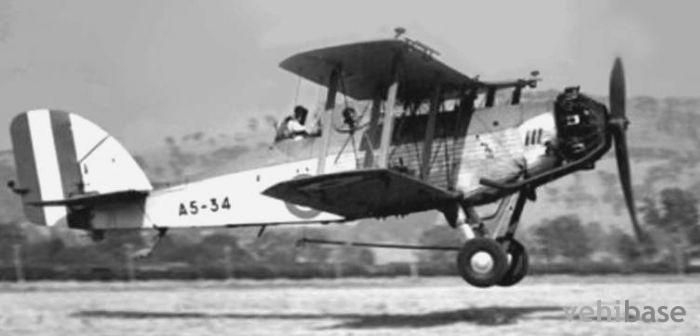
The Westland Wapiti was a biplane army co-operation and general-purpose aircraft developed by the British company Westland Aircraft in the 1920s. It played a significant role in the early history of British military aviation.
The Westland Wapiti served with the Royal Air Force (RAF) and other air forces, primarily as an army co-operation aircraft used for various roles, including reconnaissance and artillery spotting during the interwar period.
Key Features
Pros
Cons
Frequently Asked Questions
What were the primary roles of the Westland Wapiti aircraft?
The primary roles of the Westland Wapiti included army co-operation, reconnaissance, and artillery spotting for the Royal Air Force (RAF) and other air forces.
How many crew members typically operated the Wapiti aircraft?
The Westland Wapiti aircraft were typically operated by a crew of multiple personnel, including pilots and observers who conducted various army co-operation and general-purpose missions.
Did the Westland Wapiti make a significant impact on British military aviation?
Yes, the Westland Wapiti played a significant role in the early history of British military aviation and served as a versatile platform for various roles.
Why did the Westland Wapiti become outdated?
The Westland Wapiti became outdated as technology advanced, leading to the development of more modern and capable military aircraft to meet changing military needs.
1 member saved it
Related planes
Did you know?
The Westland Wapiti was one of the early aircraft that contributed to the development of British military aviation capabilities.
Its design allowed it to serve in various roles, including reconnaissance and artillery spotting, during the interwar period.
