

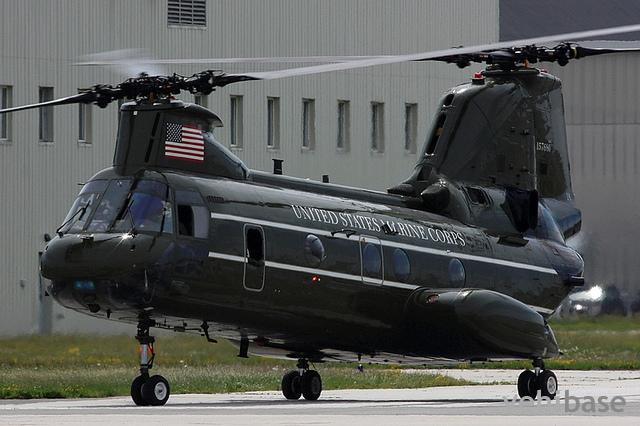
Vertol CH-46 Sea Knight
The Vertol CH-46 Sea Knight is a historic twin-engine tandem rotor helicopter primarily used by the United States Marine Corps and Navy. Developed by the American aerospace company Vertol Corporation, the CH-46 entered service in the 1960s and became a prominent transport and utility helicopter. Its tandem rotor design provided exceptional lifting capabilities, making it ideal for troop transport, cargo transport, medical evacuation, and search and rescue missions.
The CH-46 Sea Knight played a vital role in military operations, and its distinctive appearance is well-recognized in aviation history.
Key Features
Pros
Cons
Frequently Asked Questions
What were the primary roles of the Vertol CH-46 Sea Knight helicopter?
The CH-46 Sea Knight was primarily used for troop transport, cargo transport, medical evacuation, and search and rescue missions. Its tandem rotor design provided exceptional lifting capabilities for these tasks.
Is the Vertol CH-46 Sea Knight still in active military service today?
No, the Vertol CH-46 Sea Knight is no longer in active military service. It has been replaced by more modern helicopters in its various roles.
Where can I see the Vertol CH-46 Sea Knight today?
You can often find Vertol CH-46 Sea Knight helicopters on display at aviation museums, military heritage sites, and as part of private collections. They serve as historical artifacts, preserving the legacy of military aviation.
How did the Vertol CH-46 Sea Knight contribute to military aviation?
The CH-46 Sea Knight's exceptional lifting capabilities and service with the U.S. Marine Corps and Navy made it a valuable asset for troop transport, cargo transport, and other missions. It played a significant role in military aviation history.




Did you know?
The CH-46 Sea Knight was often referred to by its nickname "Phrog" (pronounced "frog") due to its distinctive appearance.
It served in various military conflicts, including the Vietnam War, where it played a crucial role in troop transport and medical evacuation.
