

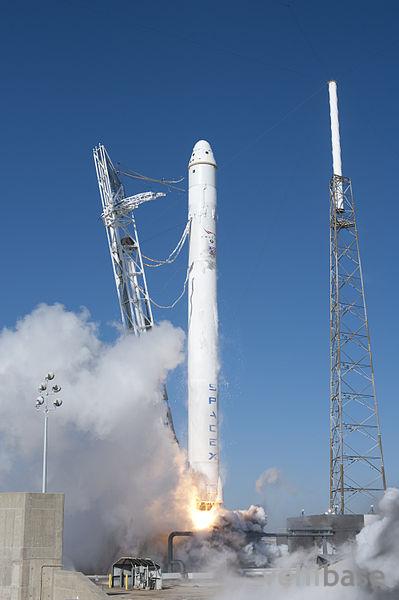
The SpaceX Falcon 9 is a reusable orbital rocket designed and manufactured by SpaceX, the aerospace company founded by Elon Musk. It is powered by a combination of liquid oxygen (LOX) and rocket-grade kerosene (RP-1) propellants. The Falcon 9 is known for its versatility and reliability, serving various purposes, including satellite deployment, cargo resupply missions to the International Space Station (ISS), and launching crewed missions.
The Falcon 9 is a groundbreaking rocket that has revolutionized space travel with its reusability, significantly reducing the cost of access to space. It has played a crucial role in advancing the commercial space industry and opening up opportunities for space exploration.
Key Features
Pros
Cons
Frequently Asked Questions
How many times can the Falcon 9 first stage be reused?
The Falcon 9 first stage is designed for multiple reuses, with some boosters having flown more than ten missions.
What is the payload capacity of the Falcon 9?
The payload capacity of the Falcon 9 varies depending on the mission profile and whether the first stage is expended or reusable. It can carry payloads ranging from several tons to low Earth orbit to smaller payloads for higher orbits.
Has the Falcon 9 ever launched crewed missions?
Yes, the Falcon 9 has been used to launch crewed missions as part of NASA's Commercial Crew Program, transporting astronauts to and from the International Space Station.
What is the significance of the Falcon 9's reusability?
The Falcon 9's reusability has dramatically reduced the cost of space access, making space exploration and satellite deployment more affordable. It also contributes to reducing space debris by recovering and refurbishing rocket components.
3 members saved it
1 review
Related spacecrafts
Did you know?
The Falcon 9 first stage made history by successfully landing vertically on a drone ship at sea for the first time on April 8, 2016.
SpaceX plans to use the Falcon 9 as the launch vehicle for missions to Mars, including the transportation of humans to the Red Planet.
