

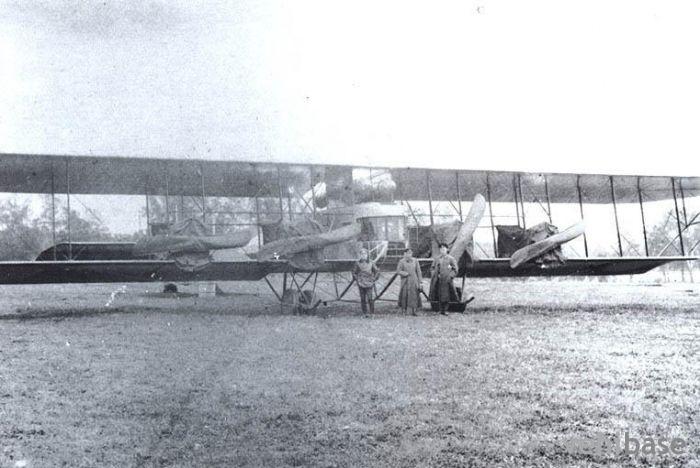
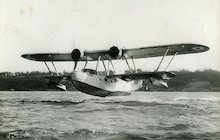
The Sikorsky Ilya Muromets is a Russian four-engine biplane bomber and passenger aircraft that was used during and after World War I. It was designed by Igor Sikorsky and played a significant role in the history of aviation. The Sikorsky Ilya Muromets was known for its pioneering work as one of the world's first large, multi-engine aircraft and its versatility in both military and civilian applications.
Featuring a quad-engine design and the ability to carry a crew of four, the Sikorsky Ilya Muromets served as a bomber, reconnaissance aircraft, and even a passenger plane. It played a vital role in various missions, including bombing raids, reconnaissance, and civilian transportation. While the Sikorsky Ilya Muromets is no longer in active military service, it is remembered for its groundbreaking design and contributions to the early years of aviation.
Key Features
Pros
Cons
Frequently Asked Questions
What were the primary roles of the Sikorsky Ilya Muromets aircraft during its service?
The Sikorsky Ilya Muromets served various roles, including bomber, reconnaissance aircraft, and passenger transportation, showcasing its versatility.
Is the Sikorsky Ilya Muromets still in active service today?
No, the Sikorsky Ilya Muromets is no longer in active military service. It has been replaced by more modern aircraft in contemporary aviation.
Did the Sikorsky Ilya Muromets have any notable contributions to early aviation?
Yes, the Sikorsky Ilya Muromets is remembered for its pioneering work as one of the world's first large, multi-engine aircraft and its adaptability for both military and civilian applications.
What was the typical crew configuration of the Sikorsky Ilya Muromets aircraft?
The Sikorsky Ilya Muromets typically carried a crew of four, including the pilot, co-pilot, and gunners/observers for military missions.
3 members saved it
.jpg)

Did you know?
The Sikorsky Ilya Muromets is renowned for its pioneering work in the field of aviation as one of the world's first large, multi-engine aircraft.
It is remembered for its historical significance and contributions to the early years of aviation, demonstrating the potential for both military and civilian applications.
