

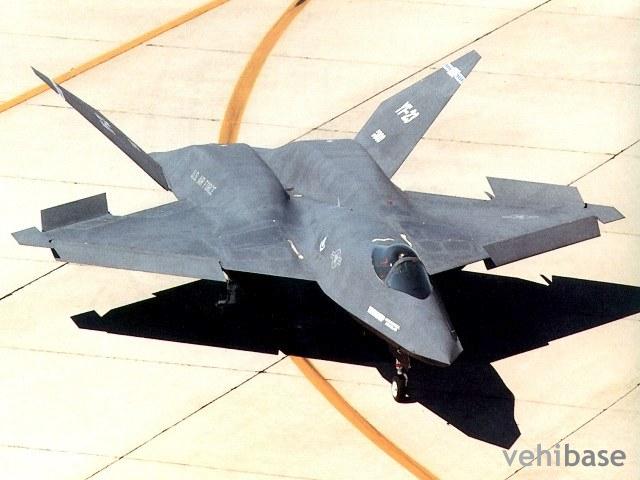
Northrop YF-23
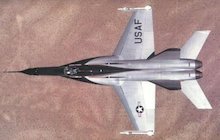
The Northrop YF-23, also known as the "Black Widow II," is a stealth fighter aircraft developed for the United States Air Force during the late 1980s and early 1990s. It was part of the Advanced Tactical Fighter (ATF) program, competing against the Lockheed YF-22 for the title of the next-generation American fighter aircraft.
The YF-23 is characterized by its futuristic and stealthy design, featuring advanced composite materials, a sleek profile, and an emphasis on radar cross-section reduction. While it was ultimately not selected for production, the YF-23 demonstrated exceptional speed, agility, and advanced avionics during its testing phase.
Key Features
Pros
Cons
Frequently Asked Questions
What was the purpose of the Northrop YF-23 in the ATF program?
The YF-23 competed against other aircraft to become the next-generation American fighter, with a focus on advanced technology and stealth capabilities.
How does the YF-23's stealth design work to reduce radar detection?
The YF-23's stealth design includes advanced composite materials and shaping to minimize its radar cross-section, making it less detectable by radar systems.
What are the unique characteristics of the YF-23 compared to other fighter aircraft?
The YF-23 is known for its futuristic appearance, advanced avionics, and impressive speed and agility, which set it apart from many other aircraft.
Why wasn't the YF-23 selected for production despite its capabilities?
While the YF-23 had impressive features, the USAF ultimately chose the Lockheed YF-22 as the basis for the F-22 Raptor due to a variety of considerations, including cost and program requirements.



Did you know?
The YF-23's stealth design and features have contributed to the development of subsequent stealth aircraft, such as the F-35 Lightning II.
The YF-23 remains a subject of fascination among aviation enthusiasts and a symbol of advanced military aviation technology.
