

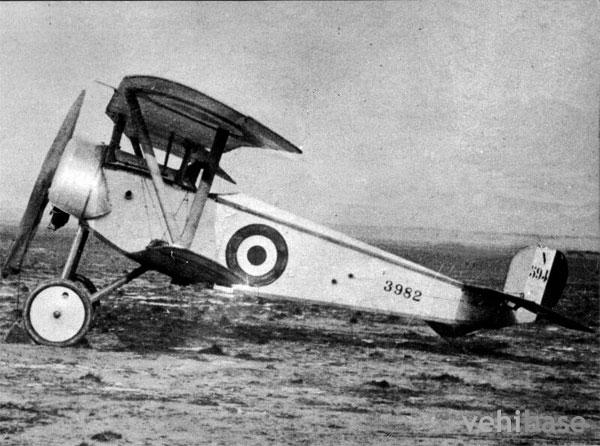
The Nieuport 11, also known as the Nieuport 11 Bébé, is a historic French World War I fighter aircraft. It played a significant role during the early years of aerial warfare and was highly regarded for its agility and maneuverability. The Nieuport 11 was a biplane with distinctive "sesquiplane" (one-and-a-half wing) design, making it an iconic and influential aircraft of its time.
Equipped with a rotary engine and a forward-firing machine gun, the Nieuport 11 was effective in air combat, often engaging in dogfights with enemy aircraft. It contributed to the development of air tactics during World War I and was used by several Allied air forces, making it a symbol of early aviation history.
Key Features
Pros
Cons
Frequently Asked Questions
What role did the Nieuport 11 play during World War I?
The Nieuport 11 served as a fighter aircraft, engaging in air combat and dogfights with enemy planes, contributing to early aviation history and tactics.
What is the significance of the "sesquiplane" design of the Nieuport 11?
The "sesquiplane" design, with one-and-a-half wings, provided the Nieuport 11 with its distinctive appearance and contributed to its agility and maneuverability.
What Allied air forces used the Nieuport 11 during World War I?
The Nieuport 11 was used by various Allied air forces, including the French, British, and Belgian air services.
Is the Nieuport 11 still in active service today?
No, the Nieuport 11 is a historical aircraft and has been retired from active service for many years, but it remains a symbol of early aviation history.
8 members saved it
Related planes
Did you know?
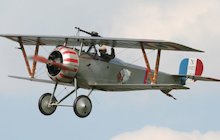
The Nieuport 11 was one of the aircraft flown by World War I aces such as Albert Ball and René Fonck, who achieved significant success in aerial combat.
Its agility and design influenced the development of later fighter aircraft, and it holds a special place in the history of aviation.
