

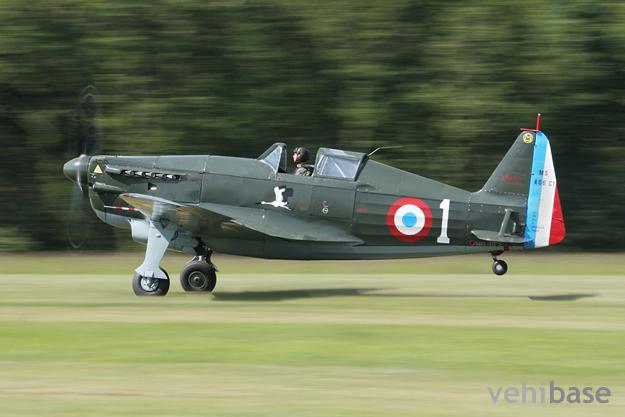
Morane-Saulnier M.S.406
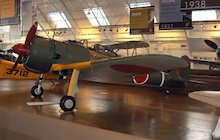
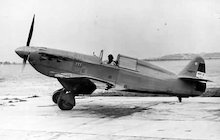
The Morane-Saulnier M.S.406 is a French single-seat fighter aircraft that was developed by the Morane-Saulnier company in the late 1930s. It is known for its service during World War II and its historical significance as one of France's frontline fighter planes. The M.S.406 is celebrated for its agility and contributions to the defense of France.
The M.S.406 was designed to be a versatile fighter aircraft and played a significant role in the early stages of World War II, particularly during the Battle of France. While it faced challenges when pitted against more advanced German aircraft, it represents France's determination to defend its airspace during the war. The M.S.406 holds a special place in the history of French aviation.
Key Features
Pros
Cons
Frequently Asked Questions
What are the key features of the Morane-Saulnier M.S.406?
The Morane-Saulnier M.S.406 is a French single-seat fighter aircraft known for its historical significance in the context of French aviation.
What was the primary role of the M.S.406?
The primary role of the M.S.406 was to serve as a versatile fighter aircraft and contribute to the early defense of France during World War II.
How did the M.S.406 contribute to French aviation?
The M.S.406 played a significant role in the defense of France during the early stages of World War II, symbolizing France's determination to protect its airspace.
What are the limitations of the M.S.406?
The M.S.406 is no longer in active service due to its historical status, and it has operational limitations when compared to modern fighter aircraft.
2 members saved it



Did you know?
The Morane-Saulnier M.S.406's role in the early defense of France during World War II highlights its historical importance in the context of French aviation.
While retired from active service, the M.S.406 remains a symbol of France's commitment to safeguarding its airspace during a challenging period in history.
