


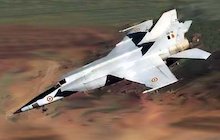
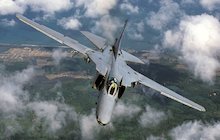
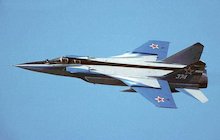
The Mikoyan MiG-25, known by its NATO reporting name "Foxbat," is a Soviet and Russian supersonic interceptor and reconnaissance aircraft. It was designed for high-speed, high-altitude interception of enemy aircraft, particularly strategic bombers and reconnaissance aircraft. The MiG-25 is known for its impressive speed and altitude capabilities, which allowed it to reach and engage targets at great distances.
With a powerful turbojet engine and a sleek design, the MiG-25 could reach speeds in excess of Mach 2.8 and operate at altitudes of over 80,000 feet. Its primary mission was to defend Soviet airspace against potential threats. The MiG-25 served in various roles, including reconnaissance, and remained in service for several decades.
Key Features
Pros
Cons
Frequently Asked Questions
What were the primary missions of the Mikoyan MiG-25?
The primary missions of the Mikoyan MiG-25 included high-speed interception of enemy aircraft, particularly strategic bombers, and reconnaissance missions.
What were the notable performance characteristics of the Mikoyan MiG-25?
The Mikoyan MiG-25 was known for its impressive speed, exceeding Mach 2.8, and its ability to operate at altitudes of over 80,000 feet, allowing it to engage targets at great distances.
Is the Mikoyan MiG-25 still in active military service in any countries?
The Mikoyan MiG-25 is no longer in active military service in many countries, having been replaced by more modern fighter aircraft. However, it may still be operated by a few nations with older aircraft in their fleets.
What is the historical significance of the Mikoyan MiG-25 in military aviation?
The Mikoyan MiG-25 holds historical significance as a formidable interceptor and reconnaissance aircraft designed for high-speed, high-altitude engagements and as an important part of the Soviet and Russian military aviation history.



Did you know?
The Mikoyan MiG-25's speed and altitude capabilities were classified for many years, leading to speculation and intrigue in Western military circles during the Cold War.
It remains an iconic Soviet-era aircraft, known for its distinctive design and capabilities, including the ability to reach high speeds at high altitudes.
