

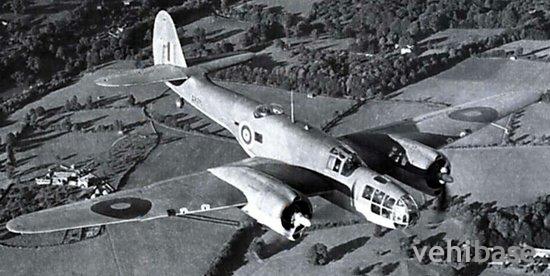
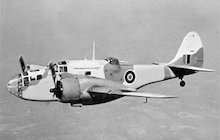
The Martin Maryland is an American light bomber and reconnaissance aircraft that was used during World War II. It was developed by the Glenn L. Martin Company and served as a multi-role aircraft, capable of performing both bombing and reconnaissance missions. The Maryland was used by several countries during the war, including France and the United Kingdom.
The aircraft featured a twin-engine design and was appreciated for its flexibility in various combat roles. It was used for ground-attack, reconnaissance, and light bombing missions. The Maryland contributed to the military efforts of the Allied forces during World War II. While it is no longer in active military service, it remains an important part of aviation history.
Key Features
Pros
Cons
Frequently Asked Questions
What were the primary roles of the Martin Maryland aircraft during World War II?
The primary roles of the Martin Maryland included ground-attack, reconnaissance, and light bombing missions.
Is the Martin Maryland still in active service today?
No, the Martin Maryland is no longer in active military service, as more modern aircraft have replaced it to meet evolving aviation requirements.
Which countries used the Martin Maryland during World War II?
Several countries, including France and the United Kingdom, used the Martin Maryland during World War II.
What is the significance of the Martin Maryland in aviation history?
The Martin Maryland is historically significant as a versatile multi-role aircraft used by multiple nations during World War II.

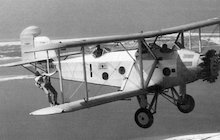
Did you know?
The Martin Maryland was developed as an adaptation of the earlier Martin B-10 bomber and represented an improvement in its multi-role capabilities.
It was used for a wide range of missions, showcasing its flexibility and adaptability in combat situations.
