

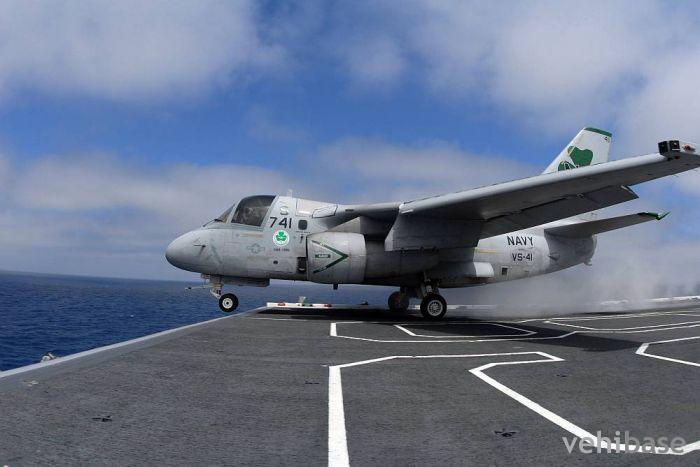
The Lockheed S-3 Viking is a twin-engine, jet-powered aircraft used by the United States Navy for various roles, including anti-submarine warfare, carrier-based aerial refueling, and surveillance. It was designed to operate from aircraft carriers and played a critical role in naval aviation and maritime patrol missions.
The S-3 Viking had a distinctive twin-tail design and was equipped with sensors, sonobuoys, torpedoes, and other armaments, making it highly effective in anti-submarine warfare. Additionally, it served as an aerial tanker, capable of refueling other carrier-based aircraft in-flight. The S-3 Viking's versatility and endurance made it a valuable asset for naval operations.
Key Features
Pros
Cons
Frequently Asked Questions
What were the primary roles of the Lockheed S-3 Viking?
The Lockheed S-3 Viking had primary roles in anti-submarine warfare, aerial refueling, and surveillance missions, particularly for naval aviation and maritime security.
Was the S-3 Viking effective in anti-submarine warfare?
Yes, the S-3 Viking was highly effective in anti-submarine warfare, equipped with advanced sensors, sonobuoys, and torpedoes.
Is the Lockheed S-3 Viking still in active service today?
No, the Lockheed S-3 Viking has been phased out of active service as the U.S. Navy transitioned to newer aircraft, and its roles have been assumed by other platforms.
What is the historical significance of the S-3 Viking in naval aviation?
The S-3 Viking holds historical significance as a versatile carrier-based aircraft that contributed to naval aviation and maritime security for several decades.
2 members saved it
Related planes
Did you know?
The Lockheed S-3 Viking served the U.S. Navy for an extended period, from the 1970s through the early 2000s, showcasing its durability and reliability.
It played a crucial role in protecting naval fleets, conducting surveillance, and extending the operational range of carrier-based aircraft through aerial refueling.
