

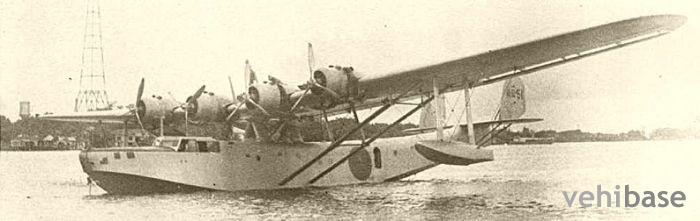
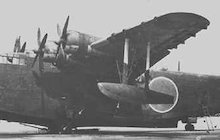
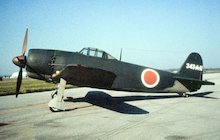
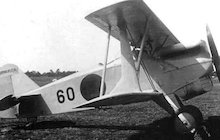
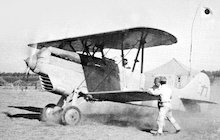
The Kawanishi H6K, also known as the Type 97 Flying Boat, is a Japanese four-engine long-range flying boat that served during the late 1930s and early years of World War II. It was developed to meet the needs of the Imperial Japanese Navy for a long-range maritime patrol and reconnaissance aircraft. The H6K represents a significant chapter in the history of Japanese military aviation.
With its four-engine configuration and high-wing design, the Kawanishi H6K was used primarily for maritime patrol and reconnaissance missions. It was known for its impressive range and endurance, which made it a valuable asset for the Imperial Japanese Navy. The H6K saw operational use in various theaters, including the early stages of the Pacific War. Despite its effectiveness, it faced vulnerabilities to modern anti-aircraft defenses and enemy fighter aircraft.
Key Features
Pros
Cons
Frequently Asked Questions
What were the primary missions of the Kawanishi H6K?
The primary missions of the Kawanishi H6K included long-range maritime patrol and reconnaissance, particularly during the early years of World War II.
What is the historical significance of the Kawanishi H6K in military aviation?
The Kawanishi H6K is historically significant as a long-range flying boat used by the Imperial Japanese Navy during the early years of World War II, contributing to the naval aviation capabilities of Japan.
Is the Kawanishi H6K still in active military service with any nations?
The Kawanishi H6K is no longer in active military service and had its operational history during the late 1930s and early years of World War II.
What is the legacy of the Kawanishi H6K in the history of maritime patrol aircraft and naval aviation?
The H6K serves as a historical example of a long-range flying boat used for maritime patrol and reconnaissance during the early years of World War II, with its own set of strengths and limitations.
3 members saved it

Did you know?
The Kawanishi H6K was known by the Allies as the "Mavis."
It was used in various theaters, including the early stages of the Pacific War, and was a crucial asset in the early Japanese expansion in the Pacific.
