

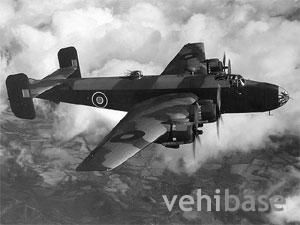
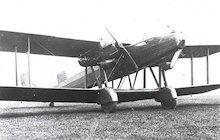
The Handley Page Halifax is a British four-engine heavy bomber aircraft that served during World War II. It was developed to meet the Royal Air Force's (RAF) need for an effective heavy bomber capable of carrying large bomb loads over long distances. The Halifax played a significant role in the strategic bombing campaigns over Europe during the war.
With its distinctive twin-engine nacelles and mid-wing design, the Halifax was used for various missions, including strategic bombing, transport, and reconnaissance. It was known for its impressive payload capacity and operational range. The Halifax was one of the mainstays of the RAF's bomber fleet and contributed to the Allied efforts during World War II.
Key Features
Pros
Cons
Frequently Asked Questions
What were the primary missions of the Handley Page Halifax?
The primary missions of the Handley Page Halifax included long-range heavy bombing missions, transport, and reconnaissance during World War II.
What is the historical significance of the Handley Page Halifax in British aviation?
The Handley Page Halifax is historically significant for its role in the RAF's strategic bombing campaigns over Europe during World War II and its contribution to the Allied war effort.
Is the Handley Page Halifax still in active military service with any nations?
The Handley Page Halifax is no longer in active military service and has been succeeded by more modern bomber aircraft.
What is the legacy of the Handley Page Halifax in the history of heavy bombers?
The Halifax remains a symbol of the effectiveness of heavy bomber aircraft during World War II and their role in strategic bombing campaigns.


Did you know?
The Handley Page Halifax was known for its durability and the ability to return to base even when damaged, earning it the nickname "Halibag."
It was part of the British Bomber Command's main fleet during the war and conducted numerous missions over Europe, including the famous "Thousand Bomber Raid" on Cologne in 1942.
