

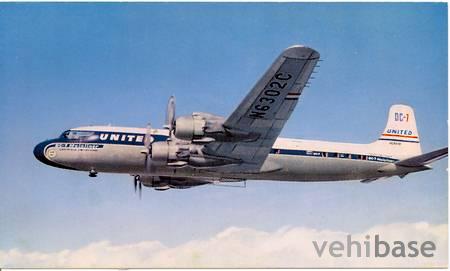
Douglas DC-7
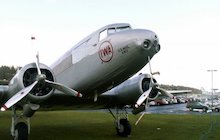
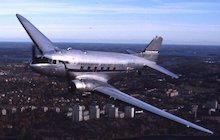
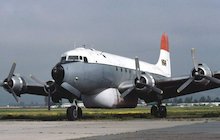
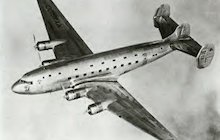
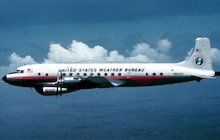
The Douglas DC-7 is a classic four-engine piston-powered airliner known for its long-range capabilities and historical significance in the early days of commercial aviation. It was powered by four radial piston engines, providing reliable performance for transcontinental and international flights. The DC-7 featured a spacious cabin layout designed to accommodate passengers in comfort, making it a beloved choice for travelers in the mid-20th century.
This airliner holds historical importance as one of the last piston-engine passenger aircraft to be produced before the era of jet travel. The DC-7 played a vital role in expanding the reach of commercial aviation, connecting cities across continents.
Key Features
Pros
Cons
Frequently Asked Questions
What was the typical seating capacity of the Douglas DC-7?
The seating capacity of the Douglas DC-7 could vary depending on the airline's configuration, but it typically accommodated around 50 to 105 passengers.
What is the range of the Douglas DC-7?
The Douglas DC-7 had a range of approximately 4,600 to 5,400 nautical miles, enabling it to cover transcontinental and some international routes.
Is the Douglas DC-7 still in operation today?
No, the Douglas DC-7 is no longer in commercial operation, and few, if any, operational DC-7 aircraft remain. It holds a place in aviation history as a classic airliner.
How did the Douglas DC-7 contribute to the growth of commercial aviation?
The DC-7 played a significant role in expanding the reach of commercial aviation in the mid-20th century, connecting cities and continents and providing passengers with comfortable and reliable air travel.
4 members saved it

Did you know?
The Douglas DC-7 represented the pinnacle of piston-engine airliners and was a symbol of luxury air travel during the 1950s.
Its sleek design, spacious cabin, and transcontinental range made it a favorite among travelers in the era when piston-powered aircraft were predominant.
