

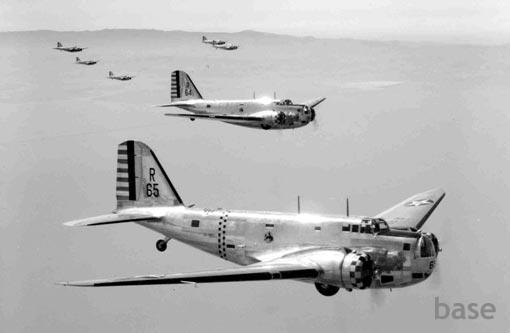
Douglas B-18 Bolo
The Douglas B-18 Bolo is a historic twin-engine bomber aircraft that served with the U.S. Army Air Corps and U.S. Army Air Forces during the interwar and early World War II period. Designed as a bomber and maritime patrol aircraft, the B-18 played a role in the transition from biplane to monoplane bombers in the U.S. military. While it was eventually phased out for more advanced bombers, the B-18 represents an important chapter in military aviation history.
The Douglas B-18 Bolo is celebrated for its contributions to bomber and maritime patrol missions and its historical significance during a pivotal period in military aviation. Although it is no longer in active service, it remains a symbol of the evolving nature of bomber aircraft during the interwar and early World War II years.
Key Features
Pros
Cons
Frequently Asked Questions
What were the primary roles of the Douglas B-18 Bolo?
The Douglas B-18 Bolo served as a twin-engine bomber and maritime patrol aircraft during the interwar and early World War II period.
What is the historical significance of the Douglas B-18 Bolo?
The aircraft played a vital role in the transition from biplane to monoplane bombers and the development of U.S. military bomber capabilities during a pivotal period in military aviation.
Is the Douglas B-18 Bolo still in active military service?
No, the aircraft is no longer in active military service but holds historical importance in the field of military aviation.
How has the Douglas B-18 Bolo impacted the history of bomber and patrol aircraft?
The B-18 Bolo is celebrated for its contributions to bomber and maritime patrol missions and its role in the transition from biplane to monoplane bombers, representing a significant chapter in the evolution of U.S. military bomber capabilities.
2 members saved it
Did you know?
The Douglas B-18 Bolo was part of the transition from biplane to monoplane bomber designs, marking a significant shift in U.S. military aviation.
It played a role in maritime patrol missions and was used during the early years of World War II, even as more advanced bombers were introduced.
