

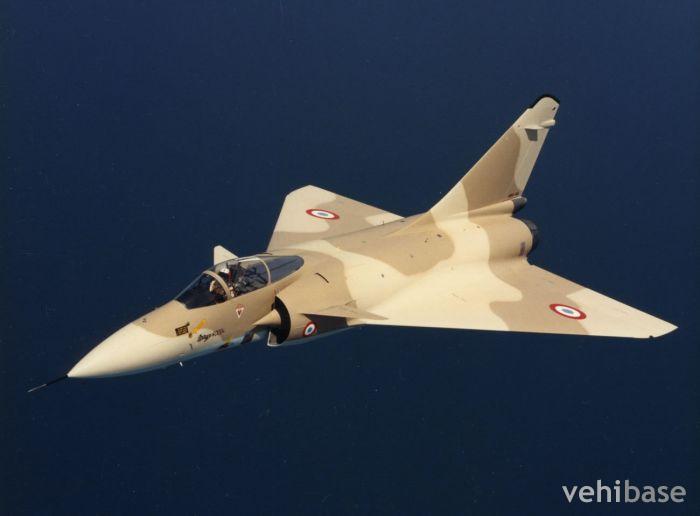
Dassault Mirage 4000
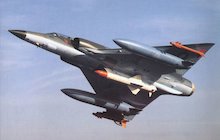
The Dassault Mirage 4000 was a French prototype fighter aircraft designed and developed by Dassault Aviation. The Mirage 4000 was an advanced supersonic aircraft that aimed to build upon the success of the Mirage III and Mirage F1 series. While it never entered full-scale production, it served as a valuable testbed for advanced aviation technologies and aerodynamic innovations.
Powered by twin turbojet engines, the Mirage 4000 boasted impressive performance, speed, and agility. It was equipped with advanced avionics and radar systems, making it a capable multi-role fighter. The Mirage 4000 was known for its sleek delta-wing design, which allowed for high maneuverability and efficiency in flight. It left a lasting legacy in the development of modern fighter aircraft.
Key Features
Pros
Cons
Frequently Asked Questions
What was the role of the Dassault Mirage 4000?
The Mirage 4000 served as a prototype and testbed for advanced aviation technologies and aerodynamic innovations, contributing to the development of modern fighter aircraft.
Did the Mirage 4000 enter full-scale production and operational use?
No, the Mirage 4000 did not progress to full-scale production and operational use. It remained a prototype and test platform for advanced aviation technologies.
Is the Dassault Mirage 4000 still in active service today?
No, the Mirage 4000 is a historical aircraft and has been retired from operational use. It is remembered for its role in advancing fighter aircraft technology.
What are some notable technological aspects of the Mirage 4000?
The Mirage 4000 featured advanced avionics, radar systems, and a sleek delta-wing design, which contributed to its impressive performance and efficiency in flight.




Did you know?
The Dassault Mirage 4000 was a technologically advanced prototype aircraft that played a vital role in the development of modern fighter aircraft.
While it did not enter full-scale production, the Mirage 4000 left a lasting legacy in the world of aviation, showcasing advanced technologies and aerodynamic innovations.
