

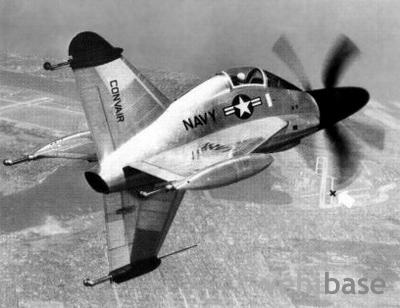
Convair XFY-1
The Convair XFY-1, also known as the "Pogo," is a unique experimental vertical takeoff and landing (VTOL) aircraft developed during the early 1950s. It stands out for its distinctive tail-sitter configuration, which allows it to take off and land vertically. The XFY-1 was powered by a turboprop engine and featured a contra-rotating propeller system.
While the Convair XFY-1 showed promise in its ability to perform vertical takeoffs and landings, it faced several challenges related to stability and control. It was part of a series of experimental VTOL aircraft, and its development contributed to the understanding of VTOL technology.
Key Features
Pros
Cons
Frequently Asked Questions
What is the unique feature of the Convair XFY-1 Pogo?
The XFY-1 Pogo is known for its distinctive tail-sitter configuration, enabling it to take off and land vertically, a feature that sets it apart from conventional aircraft.
Did the Convair XFY-1 enter widespread military or commercial service?
No, the XFY-1 Pogo did not enter widespread military or commercial service. It was an experimental aircraft used for research and development purposes.
What were some of the challenges faced by the Convair XFY-1 in its development?
The XFY-1 faced challenges related to stability and control, which were common issues in early VTOL aircraft development.
Did the technology developed for the Convair XFY-1 contribute to other VTOL aircraft?
Yes, the technology and knowledge gained from the XFY-1's development contributed to the advancement of VTOL technology and influenced the design of subsequent VTOL aircraft.
4 members saved it


Did you know?
The Convair XFY-1 Pogo was one of the experimental VTOL aircraft developed during the mid-20th century as part of efforts to explore vertical takeoff and landing capabilities.
The XFY-1's unique tail-sitter design made it an interesting piece of aviation history, showcasing the early attempts at vertical flight.
