

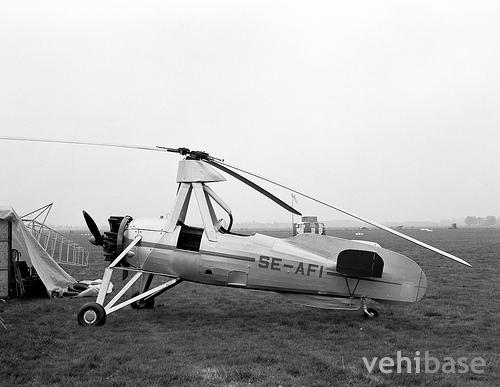
The Cierva C.30 is a historic and innovative autogyro aircraft known for its pioneering design and contributions to rotorcraft technology. Developed by Spanish engineer Juan de la Cierva, it was one of the earliest successful autogyros in aviation history. The C.30 featured a rotor that was not powered by an engine but instead autorotated due to the forward motion of the aircraft. This design innovation paved the way for the development of modern helicopters.
The Cierva C.30 is a testament to early rotorcraft engineering and its impact on the future of vertical flight.
Key Features
Pros
Cons
Frequently Asked Questions
Who developed the Cierva C.30?
The Cierva C.30 was developed by Spanish engineer Juan de la Cierva, a pioneer in rotorcraft technology.
What was the significance of the autorotating rotor on the C.30?
The autorotating rotor on the C.30 was a groundbreaking design that allowed the aircraft to fly without the need for engine power, influencing the development of modern helicopters.
Is the Cierva C.30 still in active use today?
No, the Cierva C.30 is not in active use today. It is a historic aircraft that played a crucial role in the early development of rotorcraft.
What impact did the Cierva C.30 have on the field of aviation?
The Cierva C.30 had a significant impact on the field of aviation by contributing to the development of autorotation in rotorcraft and inspiring future helicopter designs.



Did you know?
The Cierva C.30 is considered one of the earliest successful autogyros and is part of the aviation history that led to the development of modern helicopters.
Juan de la Cierva's innovative rotorcraft designs laid the foundation for vertical flight technology that continues to evolve today.
