

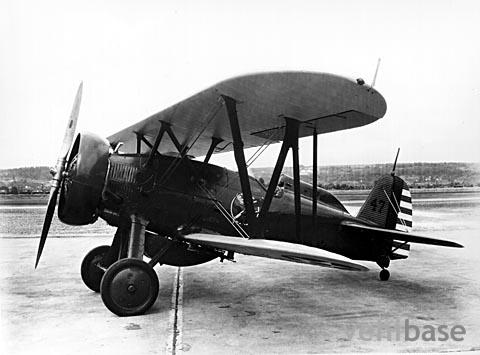
Boeing P-12
The Boeing P-12 is a historic American biplane fighter aircraft that served during the interwar years. It was developed by the American aerospace company Boeing and played a significant role in the early years of military aviation in the United States.
Equipped with a piston engine, the P-12 was designed for various missions, including air defense, ground-attack, and reconnaissance. It was known for its agility and versatility, making it an effective combat aircraft. The P-12 contributed to the development of modern fighter aircraft and served as a dependable workhorse for the United States Army Air Corps.
Key Features
Pros
Cons
Frequently Asked Questions
What were the primary missions of the Boeing P-12 during the interwar years?
The primary missions of the Boeing P-12 included air defense, ground-attack, and reconnaissance for the United States Army Air Corps.
Why is the Boeing P-12 significant in the history of military aviation?
The Boeing P-12 is significant for its role in the early years of military aviation in the United States and its contributions to the development of modern fighter aircraft.
Is the Boeing P-12 still in active service with any air force?
No, the Boeing P-12 is no longer in active service, and available units are primarily for historical and museum purposes.
What are some of the characteristics that made the Boeing P-12 a dependable combat aircraft?
The P-12 was known for its agility and versatility, which allowed it to perform effectively in various combat missions for the United States Army Air Corps.
2 members saved it
Related planes
Boeing B-17 Flying Fortress
(1) 2
Boeing B-29 Superfortress
1
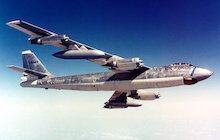
Boeing B-47 Stratojet
(2) 4

Boeing B-50 Superfortress
(7) 10
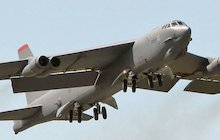
Boeing B-52 Stratofortress
(2) 4

Boeing B-9
(5) 8

Boeing F-15SE Silent Eagle
(4) 9
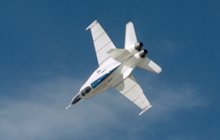
Boeing F/A-18E Super Hornet
(2) 4
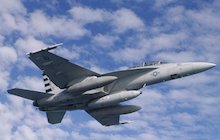
Boeing F/A-18F Super Hornet
(2) 4
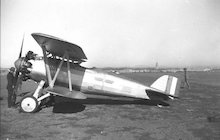
Boeing F2B
(2) 3
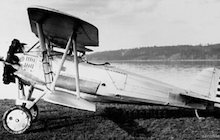
Boeing F3B
(1) 3
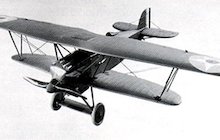
Boeing Model 15
(2) 3
Did you know?
The Boeing P-12 was a significant part of the early years of military aviation in the United States and represented a transition in aircraft design.
It showcased the evolving technology of military aviation during a time of rapid technological advancement.
