

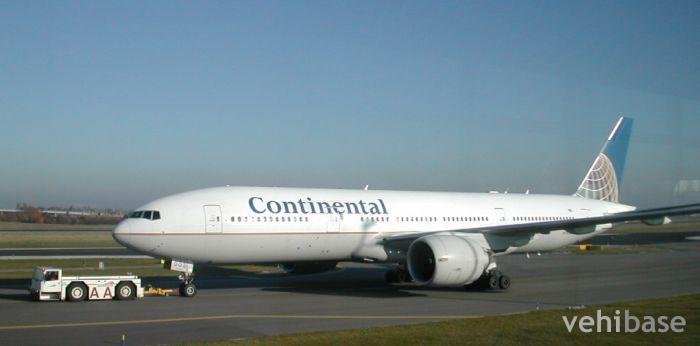
Boeing 767-400ER
The Boeing 767-400ER, part of the 767 family, is a versatile and efficient twin-aisle, wide-body aircraft known for its long-haul capabilities. It is powered by high-bypass turbofan engines, offering a balance of range and passenger comfort. The 767-400ER is designed to provide a spacious and comfortable flying experience for long-haul travelers, making it a preferred choice for international routes.
The cabin of the 767-400ER typically accommodates around 245 passengers in a two-class configuration, offering both business and economy class options. It is celebrated for its flexibility and adaptability, making it suitable for a wide range of routes. The 767-400ER has a history of successful service with various airlines, providing passengers with reliability and comfort on long-distance journeys.
Key Features
Pros
Cons
Frequently Asked Questions
What is the primary use of the Boeing 767-400ER?
The primary use of the 767-400ER is for long-haul international travel, with a focus on range, passenger comfort, and adaptability to various routes.
How many passengers can the Boeing 767-400ER typically accommodate?
The 767-400ER typically accommodates around 245 passengers in a two-class configuration, providing options for both business and economy class travelers.
Is the Boeing 767-400ER still in active service with airlines?
While some airlines have retired the 767-400ER, it remains in active service with others, serving long-haul routes and providing passengers with a comfortable flying experience.
What are the key features that set the Boeing 767-400ER apart from other aircraft?
The 767-400ER is known for its long-haul capabilities, spacious cabin, and adaptability, making it a versatile choice for airlines operating international routes.
7 members saved it




Did you know?
The Boeing 767-400ER is part of the 767 family, known for its reliability and flexibility in serving international markets.
It has a history of providing passengers with a comfortable and enjoyable flying experience on long-haul routes, with a focus on range and adaptability.
