

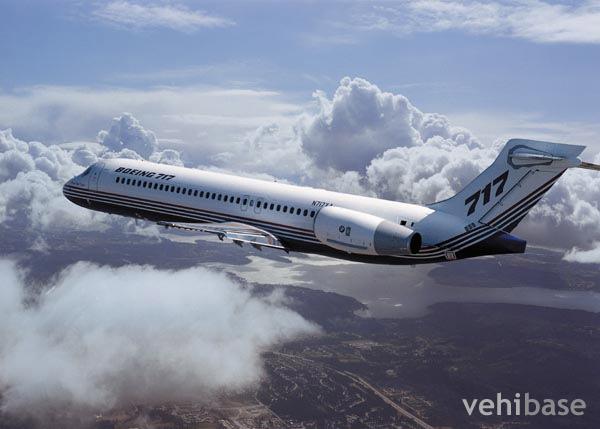
Boeing 717
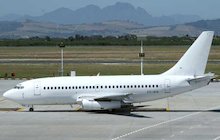
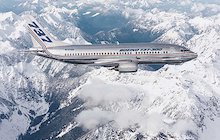
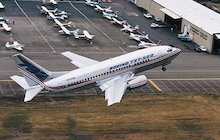
The Boeing 717, previously known as the McDonnell Douglas MD-95, is a versatile and efficient twin-jet aircraft designed for short to medium-haul routes. It is powered by high-bypass turbofan engines, offering a balance of performance and passenger comfort. The 717 is designed to provide a reliable and cost-effective flying experience for regional and domestic routes, making it a preferred choice for various airlines.
The cabin of the 717 is typically configured to accommodate around 100 passengers in a two-class layout, providing options for both business and economy class travelers. It is celebrated for its fuel efficiency, quiet operation, and ability to access airports with shorter runways. The 717 has a strong track record of performance and is recognized for its role in regional and domestic aviation.
Key Features
Pros
Cons
Frequently Asked Questions
What is the primary use of the Boeing 717?
The primary use of the 717 is for regional and domestic routes, with a focus on reliability and cost-efficiency.
How many passengers can the Boeing 717 typically accommodate?
The 717 typically accommodates around 100 passengers in a two-class configuration, providing options for both business and economy class travelers.
Is the Boeing 717 still in active service with airlines?
Yes, the 717 remains in active service with airlines around the world, particularly for regional and short-haul flights.
What are the key features that make the Boeing 717 a preferred choice for airlines?
The 717 is favored for its reliability, fuel efficiency, and the ability to operate from airports with shorter runways, making it adaptable for regional and domestic routes.


.jpg)
.jpg)
.jpg)
.jpg)

Did you know?
The Boeing 717 was initially known as the McDonnell Douglas MD-95 and later became part of the Boeing family, contributing to regional and domestic aviation.
It is recognized for its role in providing passengers with cost-effective and reliable air travel on short to medium-haul routes.
