

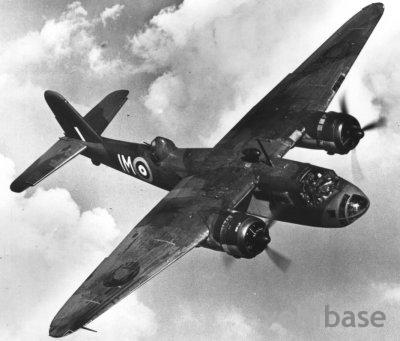
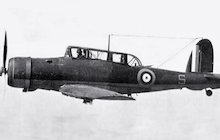
The Blackburn Botha is a British twin-engine reconnaissance and torpedo bomber aircraft that served during World War II. It was developed to meet the needs of the Royal Air Force (RAF) for an aircraft capable of conducting maritime reconnaissance, anti-submarine warfare (ASW) operations, and torpedo bombing. The Botha was a part of the RAF's efforts to protect naval convoys during the early years of the war.
With its twin-engine configuration and mid-wing design, the Blackburn Botha was used for missions such as maritime patrol, reconnaissance, and anti-submarine warfare. It was known for its adaptability in ASW operations and its role in protecting shipping convoys. However, like many aircraft of its era, it became vulnerable to enemy fighters as the war progressed. Despite its limitations, the Blackburn Botha played a significant role in the early war efforts of the RAF.
Key Features
Pros
Cons
Frequently Asked Questions
What were the primary missions of the Blackburn Botha?
The primary missions of the Blackburn Botha included maritime reconnaissance, anti-submarine warfare (ASW), and torpedo bombing during the early years of World War II.
What is the historical significance of the Blackburn Botha in British aviation?
The Blackburn Botha is historically significant for its adaptability and its critical role in the Battle of the Atlantic and early war efforts of the Royal Air Force.
Is the Blackburn Botha still in active military service with any nations?
The Blackburn Botha is no longer in active military service and has been succeeded by more modern reconnaissance and anti-submarine warfare (ASW) aircraft.
What is the legacy of the Blackburn Botha in the history of reconnaissance and torpedo bomber aircraft?
The Botha serves as a testament to the challenges faced by early war aircraft and their contributions to maritime reconnaissance, ASW, and the protection of shipping convoys.
3 members saved it


Did you know?
The Blackburn Botha played a vital role in the Battle of the Atlantic, where it conducted ASW operations against German U-boats and helped protect Allied shipping.
It was one of the early aircraft used in anti-submarine warfare, showcasing its adaptability in maritime operations.
