

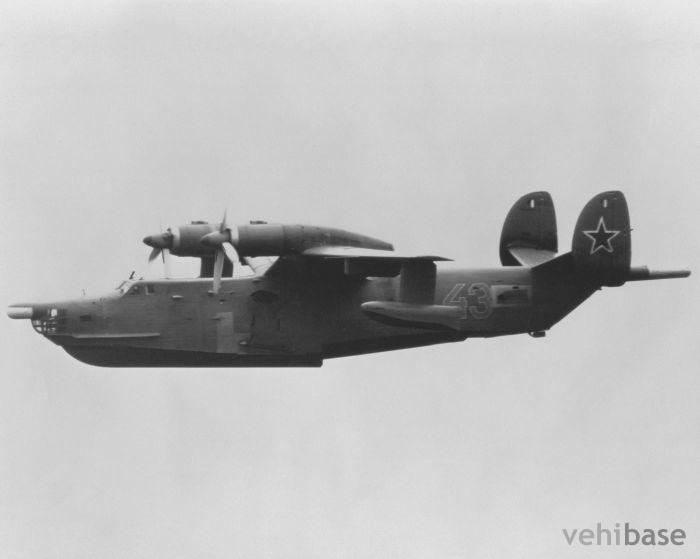
The Beriev Be-12, also known as the "Chayka" (Seagull), is a Soviet and later Russian maritime reconnaissance and anti-submarine warfare aircraft. It was designed to operate over the ocean and carry out various missions, including surveillance, reconnaissance, and anti-submarine warfare tasks. The Be-12 played a critical role in maritime patrol and coastal defense operations.
With its distinctive high-wing design and turboprop engines, the Be-12 demonstrated excellent endurance and capability to patrol vast maritime areas. Equipped with sensors, sonobuoys, and torpedoes, it was a versatile platform for detecting and countering enemy submarines and surface vessels.
Key Features
Pros
Cons
Frequently Asked Questions
What was the primary role of the Beriev Be-12?
The primary role of the Beriev Be-12 was maritime reconnaissance and anti-submarine warfare, especially for coastal defense and maritime patrol missions.
How effective was the Be-12 in anti-submarine warfare?
The Be-12 was highly effective in detecting and countering enemy submarines due to its specialized equipment and sensors.
Is the Beriev Be-12 still in active service today?
While some have been retired, the Be-12 remains in limited service with the Russian Navy, and newer maritime patrol aircraft have supplemented its role.
What makes the Be-12 well-suited for long-endurance maritime patrol?
The Be-12's high-wing design and turboprop engines provide it with excellent endurance, making it well-suited for extended maritime patrol missions.
Related planes


Did you know?
The Beriev Be-12 is part of the Beriev Be-6 and Be-10 family of maritime patrol and anti-submarine warfare aircraft, contributing to the nation's naval aviation capabilities.
Its ability to operate over the ocean and carry out surveillance and anti-submarine missions has been instrumental in coastal defense and maritime security.
