


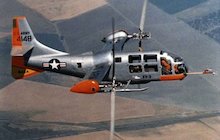
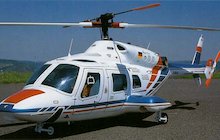
The Bell XV-3 is a historic experimental tiltrotor aircraft developed by Bell Helicopter. It is known for its innovative design, which combines the capabilities of both a helicopter and an airplane. The XV-3 played a significant role in the development of tiltrotor technology, paving the way for future tiltrotor aircraft such as the Bell V-22 Osprey.
This experimental aircraft featured a unique design with tilting rotors that allowed it to take off and land vertically like a helicopter and transition to horizontal flight like an airplane. The Bell XV-3 contributed to the exploration of vertical and short takeoff and landing (V/STOL) concepts, making it a milestone in aviation history.
Key Features
Pros
Cons
Frequently Asked Questions
What was the primary purpose of the Bell XV-3 tiltrotor aircraft?
The primary purpose of the Bell XV-3 was research and development, specifically in the exploration of tiltrotor technology and its potential applications in aviation.
How does the XV-3 differ from traditional helicopters?
The XV-3 differs from traditional helicopters in its ability to tilt its rotors for vertical takeoff and landing (VTOL) and then transition to horizontal flight like an airplane.
Is the Bell XV-3 still in active service or production?
No, the Bell XV-3 is no longer in active service or production, but its legacy lives on in the development of tiltrotor aircraft.
What role did the Bell XV-3 play in aviation history?
The Bell XV-3 played a significant role in advancing tiltrotor technology and served as a milestone in the exploration of vertical and short takeoff and landing (V/STOL) concepts.
3 members saved it




Did you know?
The Bell XV-3's unique design concept laid the foundation for future tiltrotor aircraft, including the highly successful Bell V-22 Osprey.
Despite its experimental nature and challenges, the XV-3 contributed valuable data and insights to the field of tiltrotor technology.
