

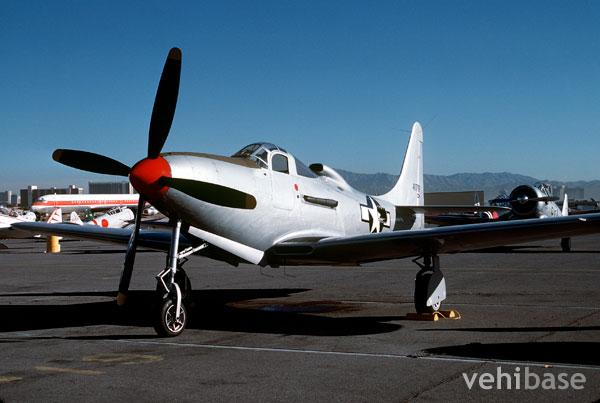
Bell P-63 Kingcobra
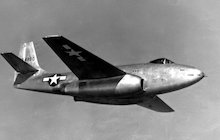
The Bell P-63 Kingcobra was an American fighter aircraft developed during World War II. It was a successor to the Bell P-39 Airacobra, designed to improve upon the shortcomings of its predecessor. The P-63 Kingcobra served primarily as a fighter aircraft and was used by the United States Army Air Forces and other Allied air forces.
Powered by a V-1710 liquid-cooled V12 engine, the Kingcobra featured an innovative design with a mid-mounted engine and tricycle landing gear. It was armed with various machine guns and had the capability to carry rockets and bombs for ground attack missions. The P-63 Kingcobra was appreciated for its performance at low altitudes and its agility in air combat.
Key Features
Pros
Cons
Frequently Asked Questions
What were the main improvements in the Bell P-63 Kingcobra over the P-39 Airacobra?
The Bell P-63 Kingcobra featured design improvements over the P-39 Airacobra, with a mid-mounted engine and other enhancements to address the limitations of the previous model.
What were the primary roles of the Bell P-63 Kingcobra during World War II?
The P-63 Kingcobra primarily served as a fighter aircraft, and it had the capability to carry rockets and bombs for ground attack missions.
Is the Bell P-63 Kingcobra still in active service today?
No, the Bell P-63 Kingcobra is a historical aircraft and has been retired from operational use. It played a significant role during World War II but is no longer in service.
What are some notable aspects of the Kingcobra's design and capabilities?
The P-63 Kingcobra was appreciated for its mid-mounted engine, tricycle landing gear, and its agility in air combat, particularly at low altitudes.
Did you know?
The Bell P-63 Kingcobra represented an improvement over the earlier P-39 Airacobra and served as a versatile fighter aircraft during World War II.
While it is no longer in operational use, the P-63 Kingcobra remains a notable part of aviation history for its innovations and wartime contributions.
