

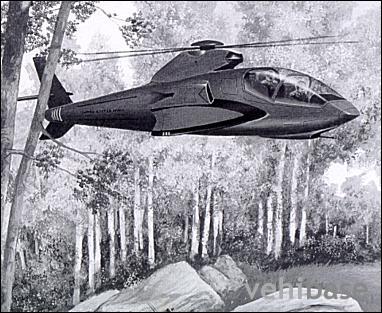
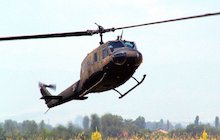
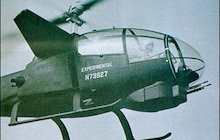
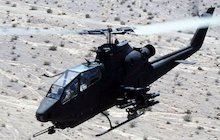
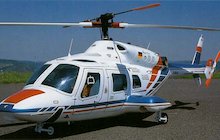
The Bell LHX, which stands for "Light Helicopter Experimental," is a historic prototype helicopter developed for the United States military during the late 1980s and early 1990s. It was designed as part of the LHX program, aimed at developing a versatile and advanced rotorcraft for various military missions. The LHX represented a significant advancement in helicopter technology at the time.
The LHX program ultimately led to the development of other military helicopters, but the Bell LHX itself did not enter operational use. It remains a notable part of rotorcraft history and served as a testbed for advanced technologies.
Key Features
Pros
Cons
Frequently Asked Questions
What is the historical significance of the Bell LHX?
The Bell LHX is historically significant as it was part of the LHX program's efforts to develop advanced military rotorcraft, contributing to the early knowledge and experience of military rotorcraft designers.
Did the Bell LHX enter operational use in the military?
No, the Bell LHX itself did not enter operational use, but it played a role in influencing subsequent rotorcraft designs and the development of advanced technologies for military helicopters.
What role did the LHX program play in military helicopter development?
The LHX program aimed to develop advanced military rotorcraft for various missions and represented an important step in the evolution of military helicopters and their capabilities.
What are some of the advanced technologies tested on the Bell LHX?
The Bell LHX served as a testbed for advanced technologies and mission systems, although specific details may vary based on the program's goals and requirements.
4 members saved it

Did you know?
The Bell LHX program involved competition between different helicopter manufacturers, ultimately leading to the selection of the Boeing-Sikorsky RAH-66 Comanche as the next-generation scout and attack helicopter for the U.S. Army.
While the Bell LHX itself did not enter service, the lessons learned from its development and testing contributed to advancements in military rotorcraft technology.
