

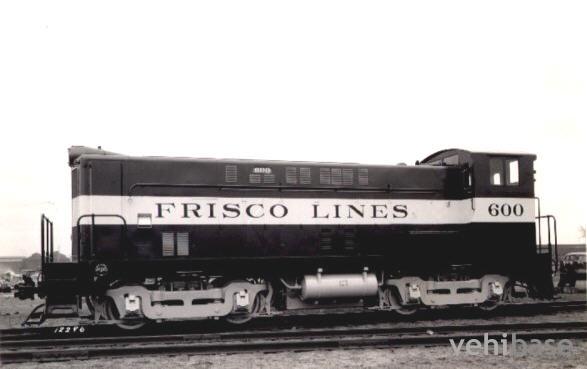
The Baldwin VO-660 is a historic diesel locomotive model manufactured by the Baldwin Locomotive Works, an esteemed American locomotive builder. This locomotive is known for its compact size, reliability, and versatility, making it suitable for various rail applications.
The VO-660 is equipped with a dependable diesel engine designed to provide efficient traction. Its compact design and robust construction made it ideal for tasks such as switching duties in rail yards and industrial settings.
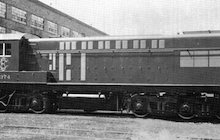
This locomotive model is characterized by its functional and utilitarian appearance. It has earned a reputation for its durability and ability to navigate tight spaces, making it an essential workhorse in the railway industry.
Key Features
Pros
Cons
Frequently Asked Questions
What type of locomotive is the Baldwin VO-660?
The Baldwin VO-660 is a diesel locomotive.
Where is the Baldwin VO-660 commonly used?
The Baldwin VO-660 has been used for various rail operations, particularly rail yard switching and industrial rail applications.
Is the Baldwin VO-660 still in operation today?
While many Baldwin VO-660 locomotives have been retired, some may still be in operation, especially in heritage or museum railways, preserving their historical significance.
What role did the Baldwin VO-660 play in railway history?
The Baldwin VO-660 is recognized for its reliability, compact design, and contribution to railway operations, particularly in switching tasks.
Related trains

Baldwin 0-6-6-0 1000
(5) 8

Baldwin 4-8+8-4-750/8-DE
(1) 2
Baldwin AS-16
(3) 7
Baldwin AS-416
(6) 6
Baldwin AS-616
(4) 8

Baldwin DR-12-8-1500/2
(2) 3

Baldwin DR-4-4-1500
(2) 4

Baldwin DR-6-2-1000
(4) 4

Baldwin DR-6-4-1500
(3) 3

Baldwin DR-6-4-2000
(4) 7

Baldwin DRS-4-4-1000
(5) 8

Baldwin DRS-4-4-1500
(4) 7
Did you know?
Baldwin Locomotive Works produced various locomotive models, each with specific features and capabilities, contributing to the growth and development of American railroads.
The Baldwin VO-660's compact size and maneuverability made it a valuable asset in rail yard operations where space constraints were common.
