

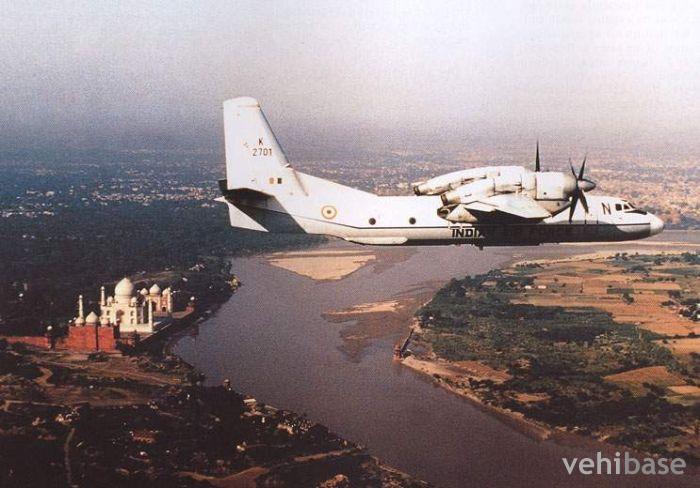
The Antonov An-32 Cline is a versatile twin-engine turboprop aircraft known for its ruggedness, reliability, and adaptability. Designed to operate in diverse and challenging environments, this aircraft is well-suited for various utility roles, including cargo transport, passenger flights, and military operations. It features a spacious interior and a robust construction, making it suitable for short takeoff and landing (STOL) operations.
The Antonov An-32 is equipped with modern avionics and safety features, ensuring a secure and efficient flying experience for both operators and passengers. Its adaptability to different terrains and climates has made it a preferred choice for missions in remote and austere locations.
Key Features
Pros
Cons
Frequently Asked Questions
What are some of the typical mission roles of the Antonov An-32 Cline?
The Antonov An-32 Cline is employed for a range of mission roles, including cargo transport, passenger flights, and military operations, thanks to its adaptability and rugged design.
Where is the Antonov An-32 Cline commonly used?
The Antonov An-32 Cline is commonly used in regions with challenging climates and limited infrastructure for missions such as cargo transport, military logistics, and operations in remote areas.
Is the Antonov An-32 Cline still in production and operation today?
Yes, the Antonov An-32 Cline is still in production and operation with various operators worldwide, serving various utility and military missions.
What sets the Antonov An-32 Cline apart from other utility aircraft?
The Antonov An-32 Cline is known for its adaptability, rugged design, and versatility in different mission profiles, making it a preferred choice for operators in challenging environments.
3 members saved it
Related planes


Did you know?
The Antonov An-32 Cline is part of the successful Antonov An-26 family of aircraft, recognized for their reliability and adaptability.
It has played a vital role in humanitarian and military operations, providing essential support in regions with limited infrastructure and challenging conditions.
