

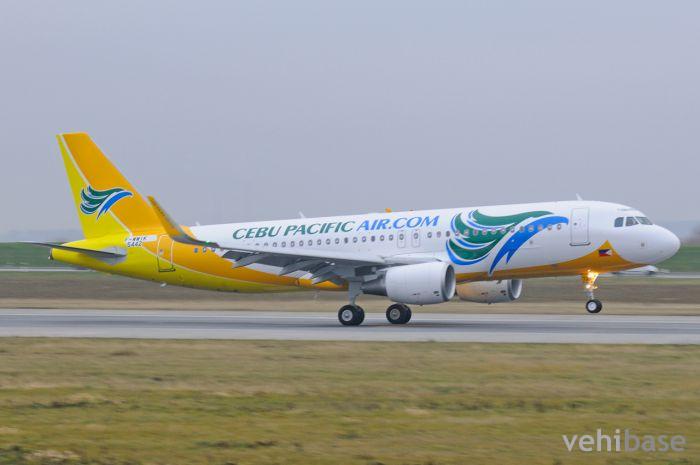
The Airbus A320 with Sharklets is a popular narrow-body, single-aisle commercial airliner known for its fuel efficiency and advanced design. Sharklets are upward-curving wingtip devices that enhance the aerodynamics of the A320's wings, reducing drag and improving fuel efficiency. The A320 with Sharklets is powered by efficient jet engines and offers a comfortable and spacious cabin layout designed to meet the demands of short to medium-haul flights.
The addition of Sharklets to the A320 provides airlines with a cost-effective solution to reduce fuel consumption and emissions while extending the aircraft's range. It has become a preferred choice for carriers aiming to optimize their operating costs and environmental footprint.
Key Features
Pros
Cons
Frequently Asked Questions
What are Sharklets on the Airbus A320, and how do they benefit the aircraft?
Sharklets are upward-curving wingtip devices that enhance the aerodynamics of the Airbus A320's wings. They reduce drag, improve fuel efficiency, and help lower emissions, making the A320 a more environmentally friendly and cost-effective choice for airlines.
What is the typical seating capacity of the Airbus A320 with Sharklets?
The seating capacity of the Airbus A320 with Sharklets can vary depending on the airline's configuration, but it typically accommodates around 140 to 240 passengers.
What types of routes are the Airbus A320 with Sharklets typically used for?
The A320 with Sharklets is well-suited for short to medium-haul routes, making it a preferred choice for airlines operating within regions and countries, as well as on popular domestic routes.
How do Sharklets contribute to reducing the environmental footprint of the A320?
Sharklets reduce drag and improve fuel efficiency, leading to lower fuel consumption and emissions. This, in turn, helps airlines reduce their environmental impact and operating costs.




Did you know?
The Airbus A320 with Sharklets is part of the A320 family, known for its cost-effectiveness and environmental friendliness.
Sharklets have become a significant feature in modern aviation, contributing to the sustainability of commercial air travel and reducing the industry's carbon footprint.
